

How to Plan a Golden Hour Timeline at Your Desert View Wedding Venue (Without Losing the Light or the Vibe)
If you’re reading this, you’ve probably already Googled a thousand wedding timeline “templates” and still feel like something’s missing. Spoiler: it’s the sun. At a desert wedding venue like Desert View Weddings & Events, light isn’t just a vibe; it’s the thing that makes or breaks your photos, your video, and, honestly, your whole experience. And yet… no one really explains how to plan around it in a way that actually makes sense.
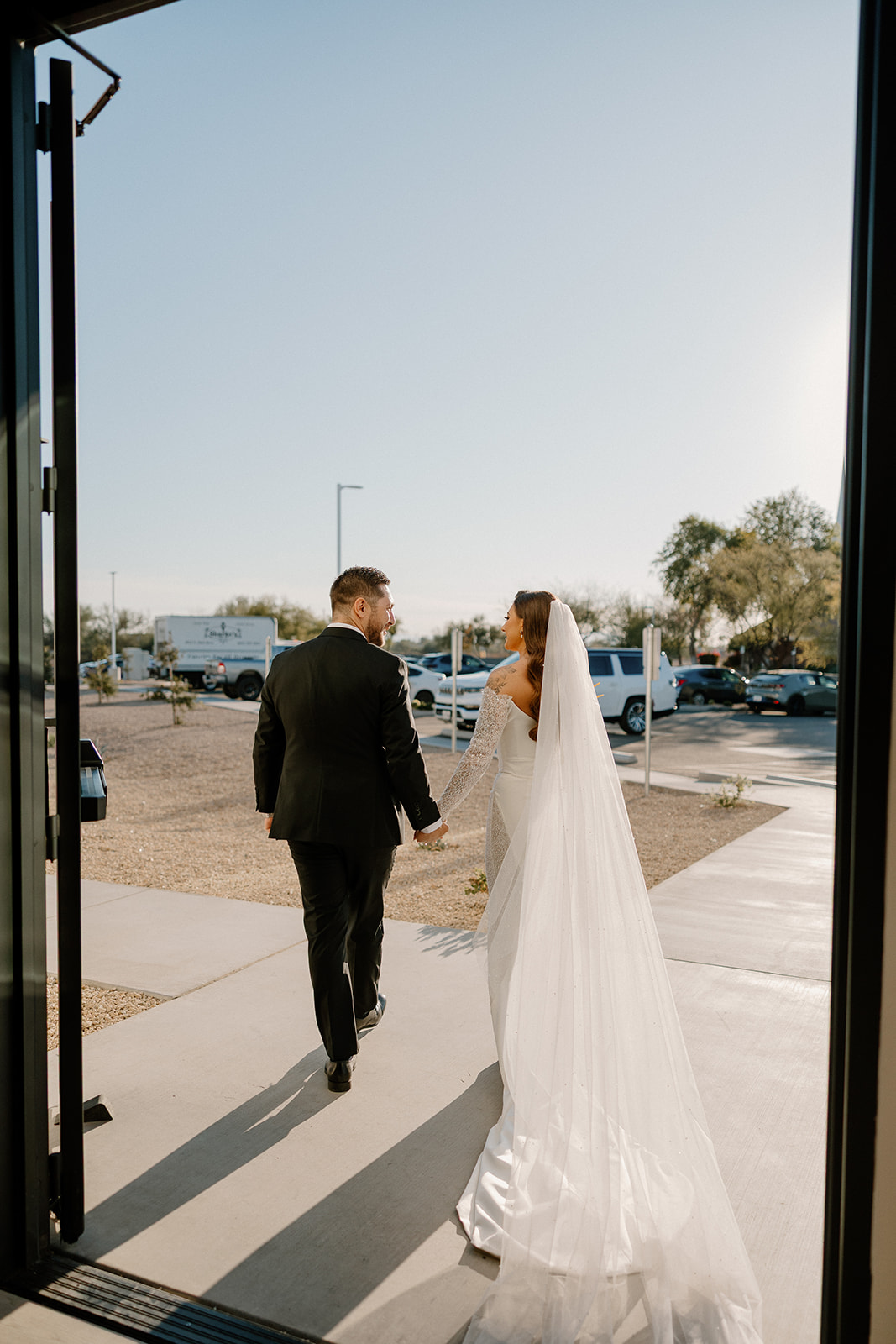
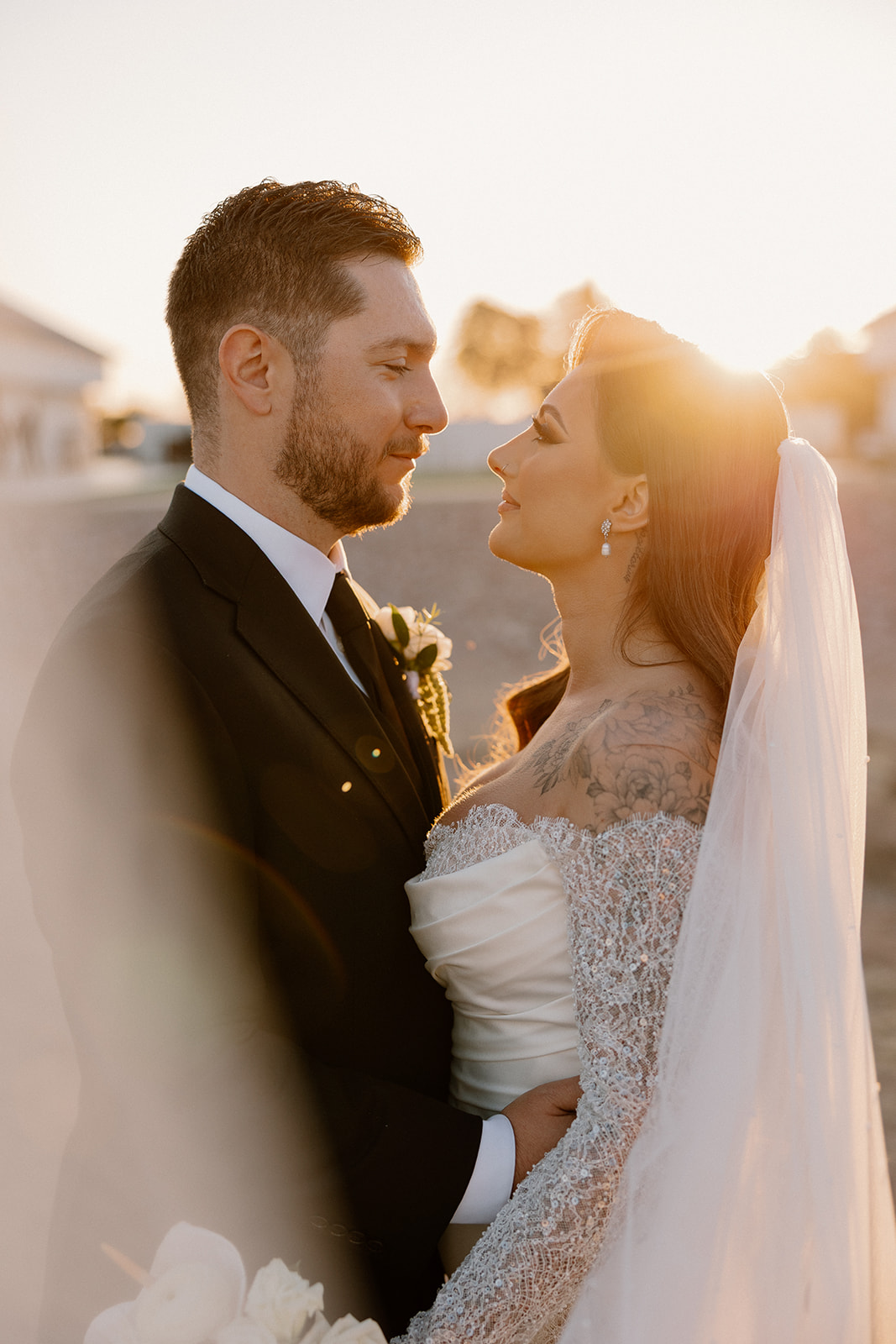
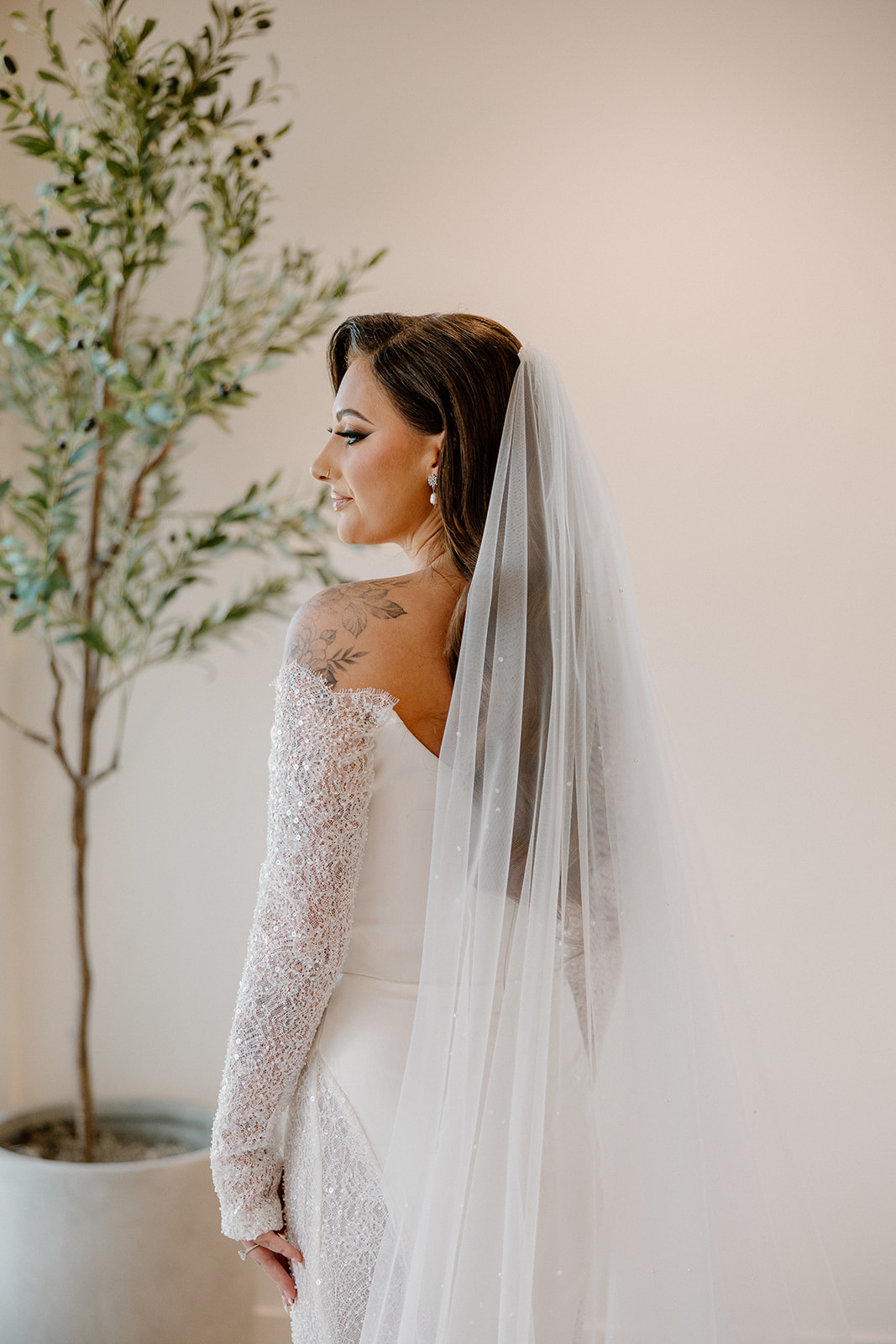
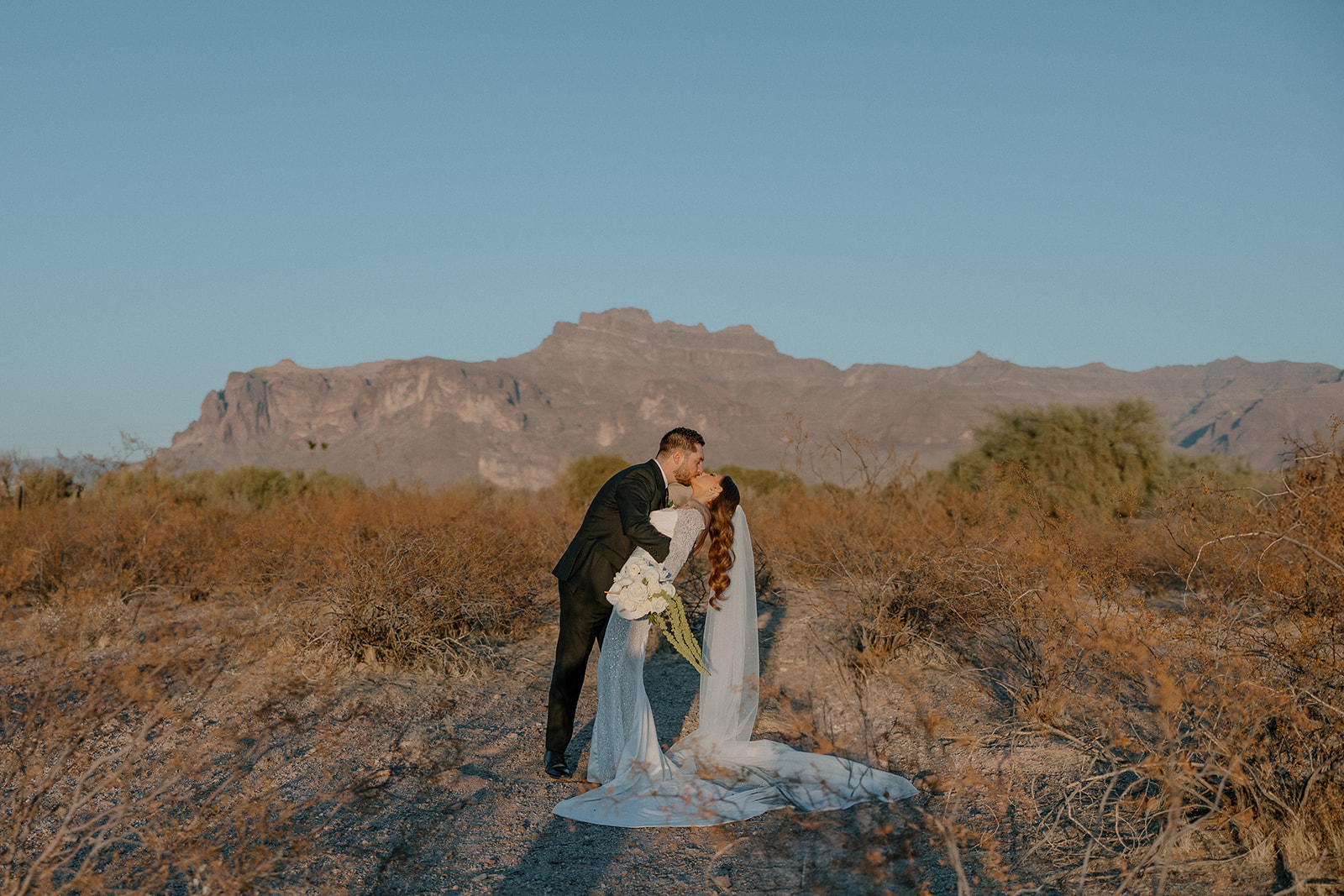
We’re changing that.
This guide breaks down how to build your timeline with golden hour in mind, from ceremony start times to couple portraits and all the in-between moments that deserve that dreamy, cinematic glow. No fluff. No filler. Just real, light-first advice so you can show up fully and get photos that actually feel like you. Let’s get into it!
Why the Sun Is the Real “Vendor of Honor” at a Desert View Wedding Venue
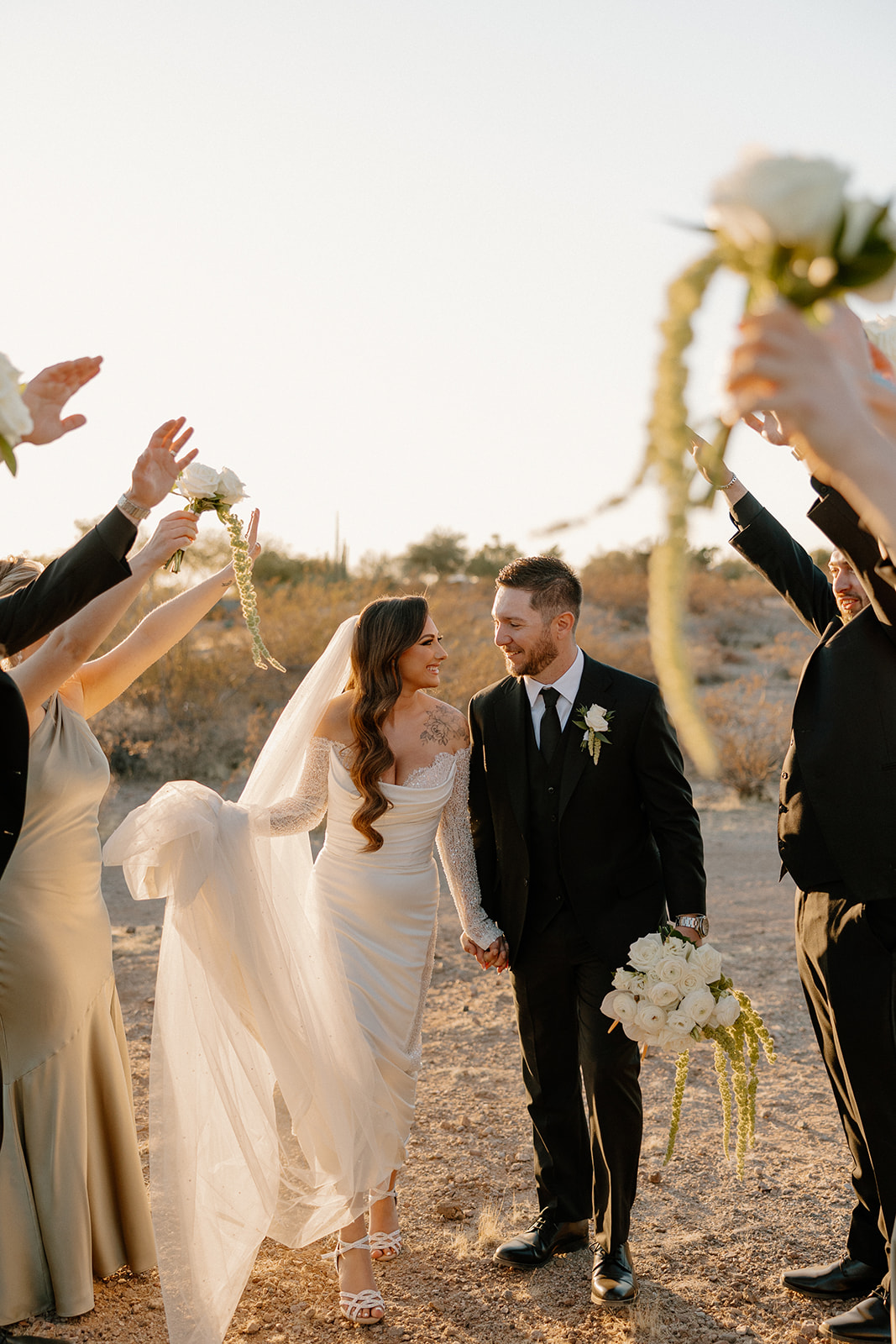
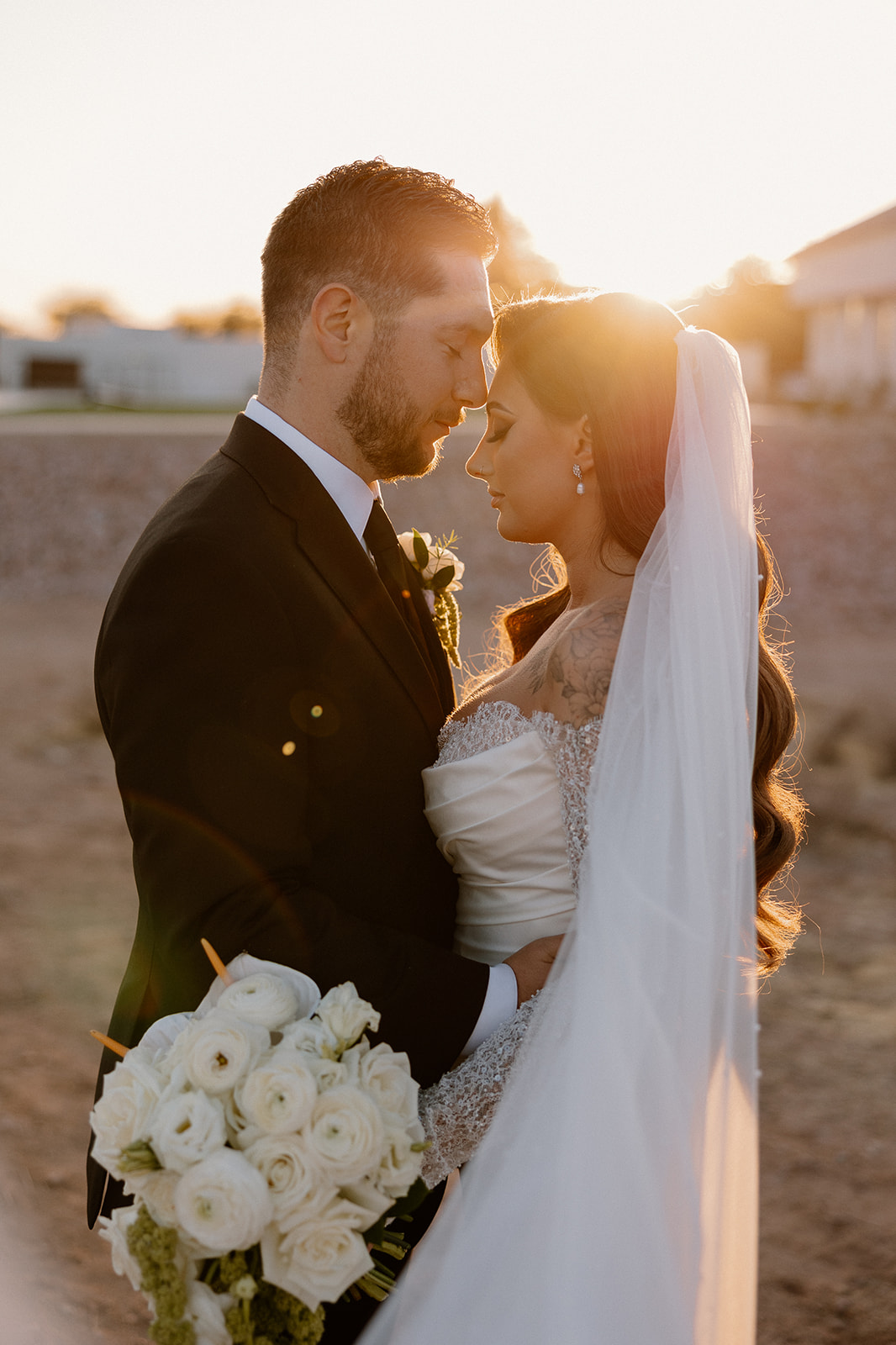
We’ve said it before, and we’ll say it louder for the people in the back: the sun is your most important vendor, and unlike your florist or DJ, the sun doesn’t RSVP; she just shows up, ready or not. You can have the best hair, the perfect dress, and a killer playlist, but if your ceremony’s timed for harsh overhead light or you miss golden hour by ten minutes? Your photos won’t hit the same.
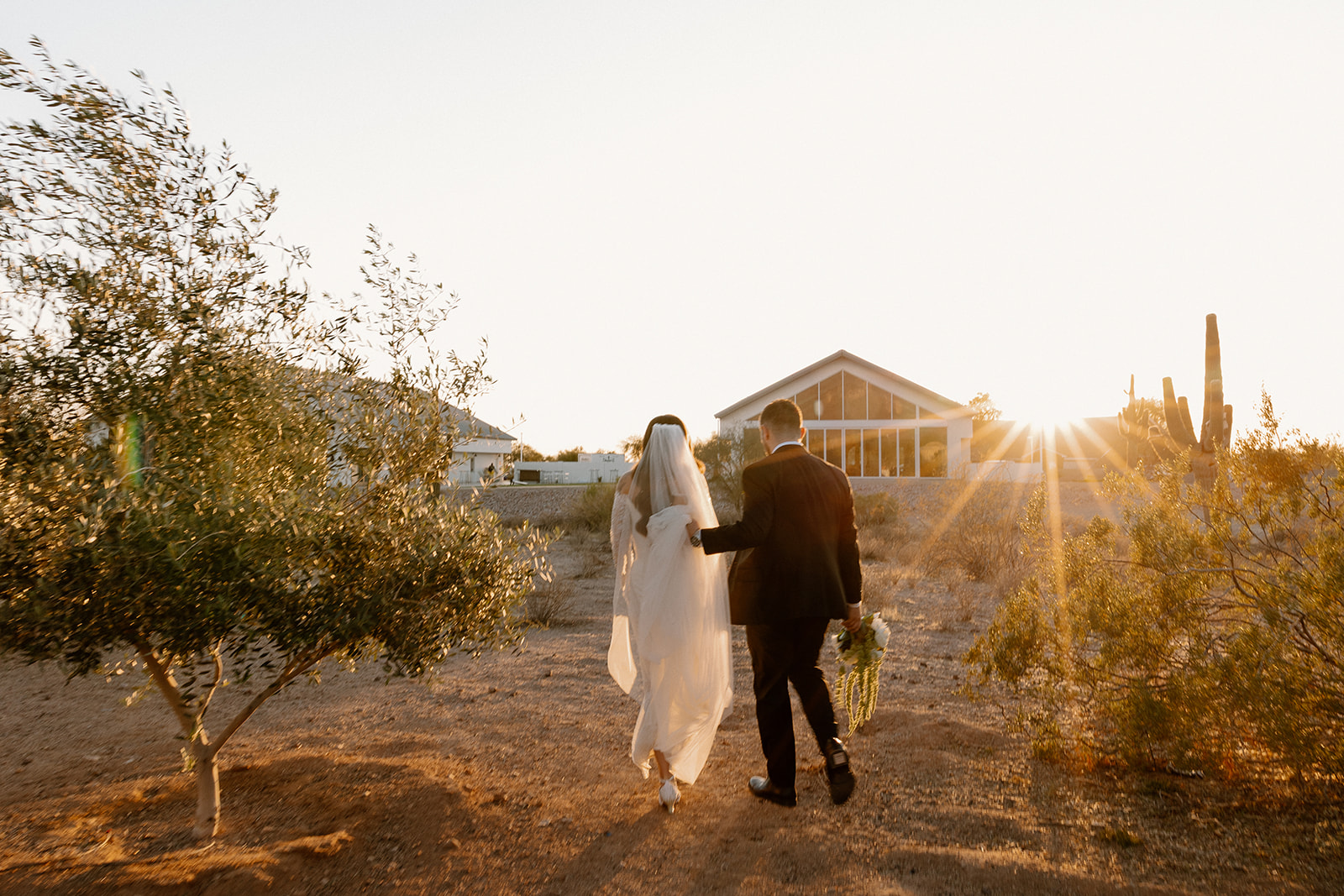
Here’s what we mean:
- Midday desert sun? Brutal. Think overhead light, deep shadows, shiny foreheads, and everyone squinting like they just stepped onto the surface of the sun. It’s giving SPF 100 and “let’s get inside.”
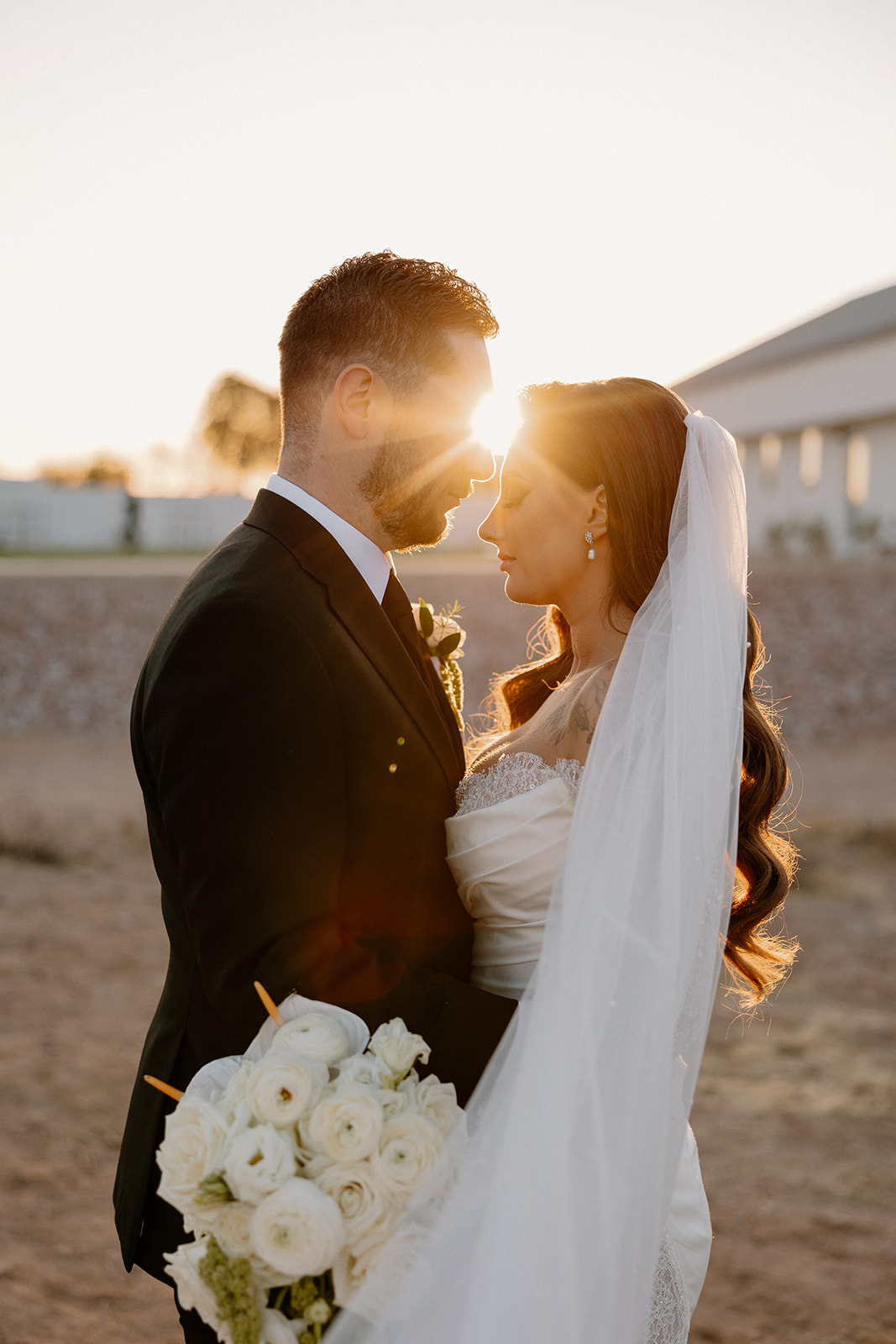
- Golden hour? That’s the good stuff. Warm, directional light. Skin looks soft. Textures come alive. The whole scene feels editorial without trying too hard.
- Blue hour? The cool-down moment. The sun’s gone, but the sky still holds that moody, dusky glow. It’s quieter, a little dreamier, perfect for sneaky post-ceremony portraits or a just-married moment away from the chaos.
And Desert View Weddings & Events isn’t just any venue, it’s full-on desert drama. Open skies, minimal shade, and a landscape that changes color depending on the light. Which means timing is everything. Desert View light hits hard and fades fast. Other timelines hand you cookie-cutter time blocks like, “Ceremony at 4, portraits at 5,” and call it a day. But in the desert? That doesn’t cut it. We start with the sun, always. Because once you lock in the light, everything else falls into place. Clean and easy, and so dang glowy. Just how it should be.
Golden Hour at a Desert View Wedding Venue & What It Actually Means
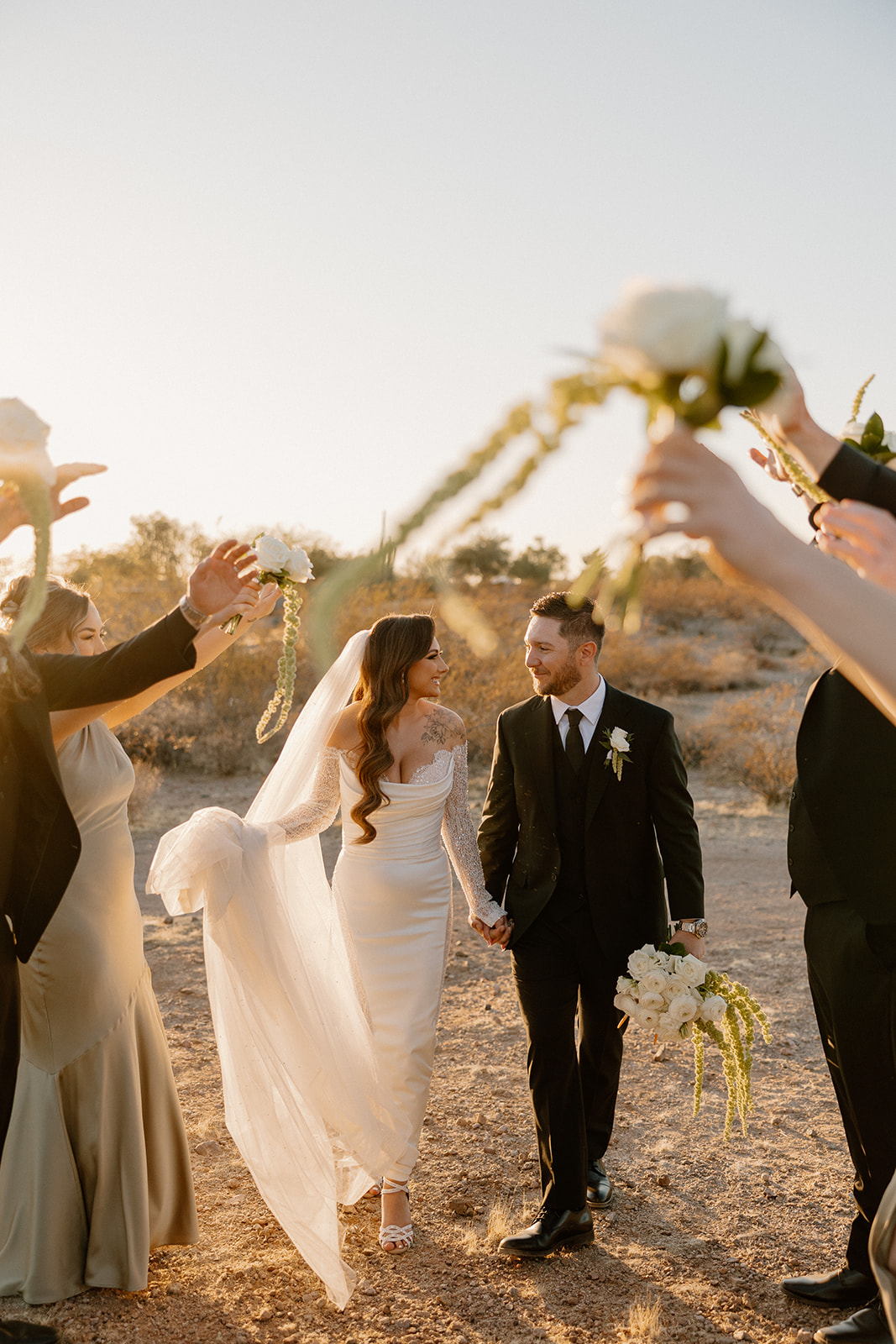
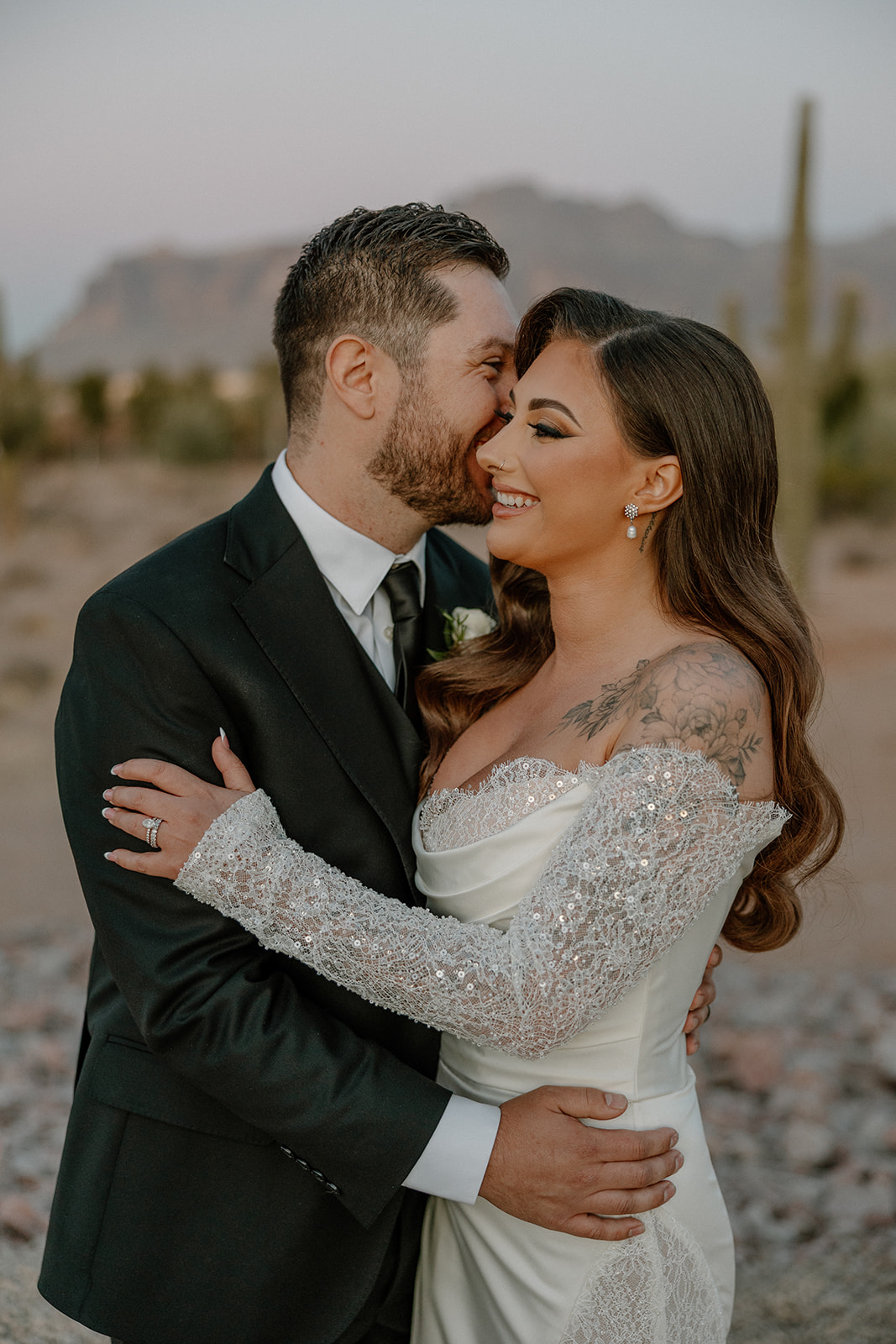
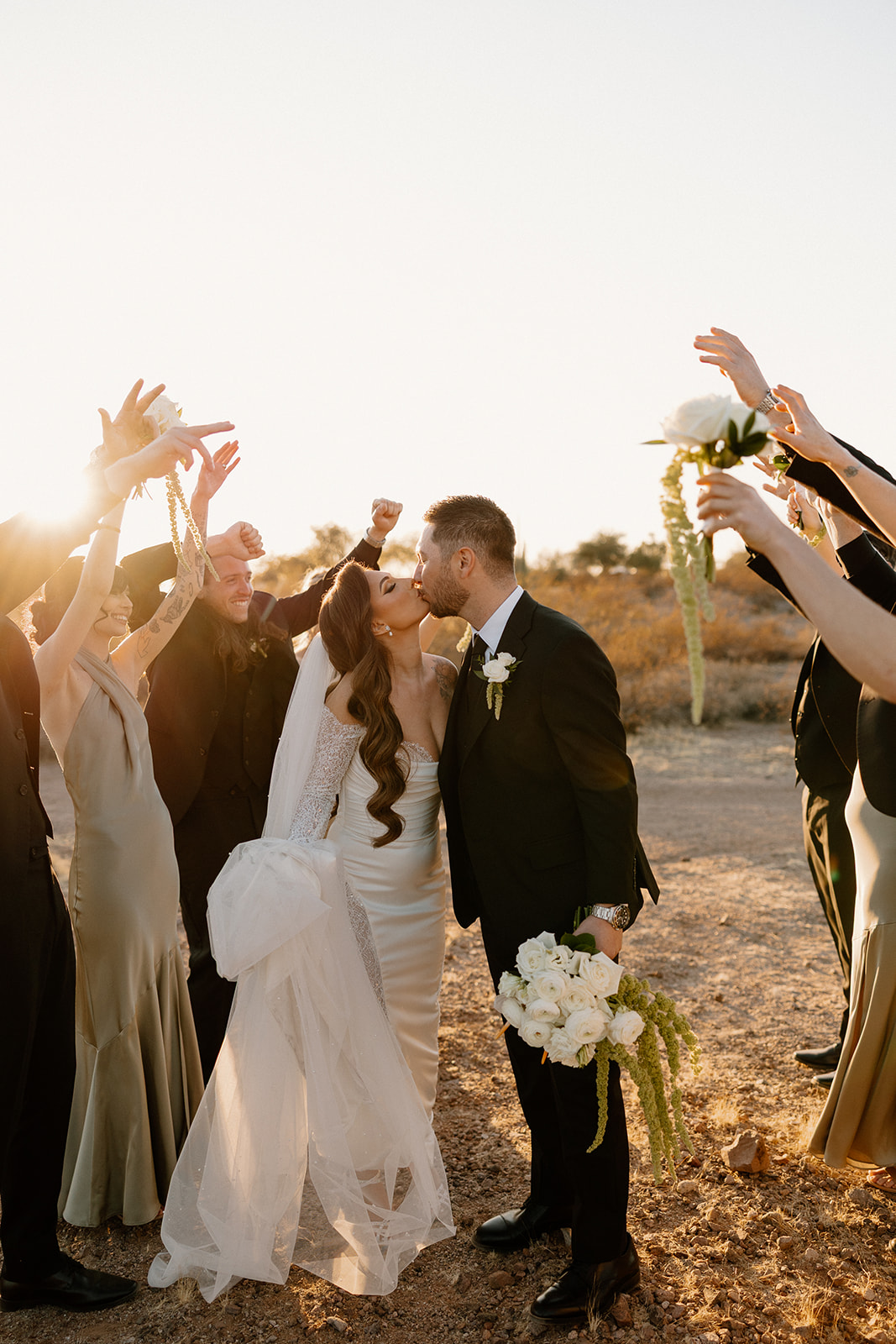
Golden hour isn’t just some Pinterest term we throw around to sound poetic. It’s a real window of time where the desert pops off, and the light does all the heavy lifting for your photos and video! But out here? The light doesn’t linger. There’s no tree canopy softening things or buildings casting shade. It’s just raw desert sky doing whatever it wants, bold, fast, and dramatic as hell. You’ve got to be ready to move when the light hits, because once it’s gone, it’s gone. No extensions, no do-overs.
That’s why we plan for it like it’s the headliner, not the opener.
Low Sun (30–45 mins before sunset)
This is the real star of the show, soft, glowy light that hits just right. No harsh shadows, no squinting. Just you two looking incredible without even trying.
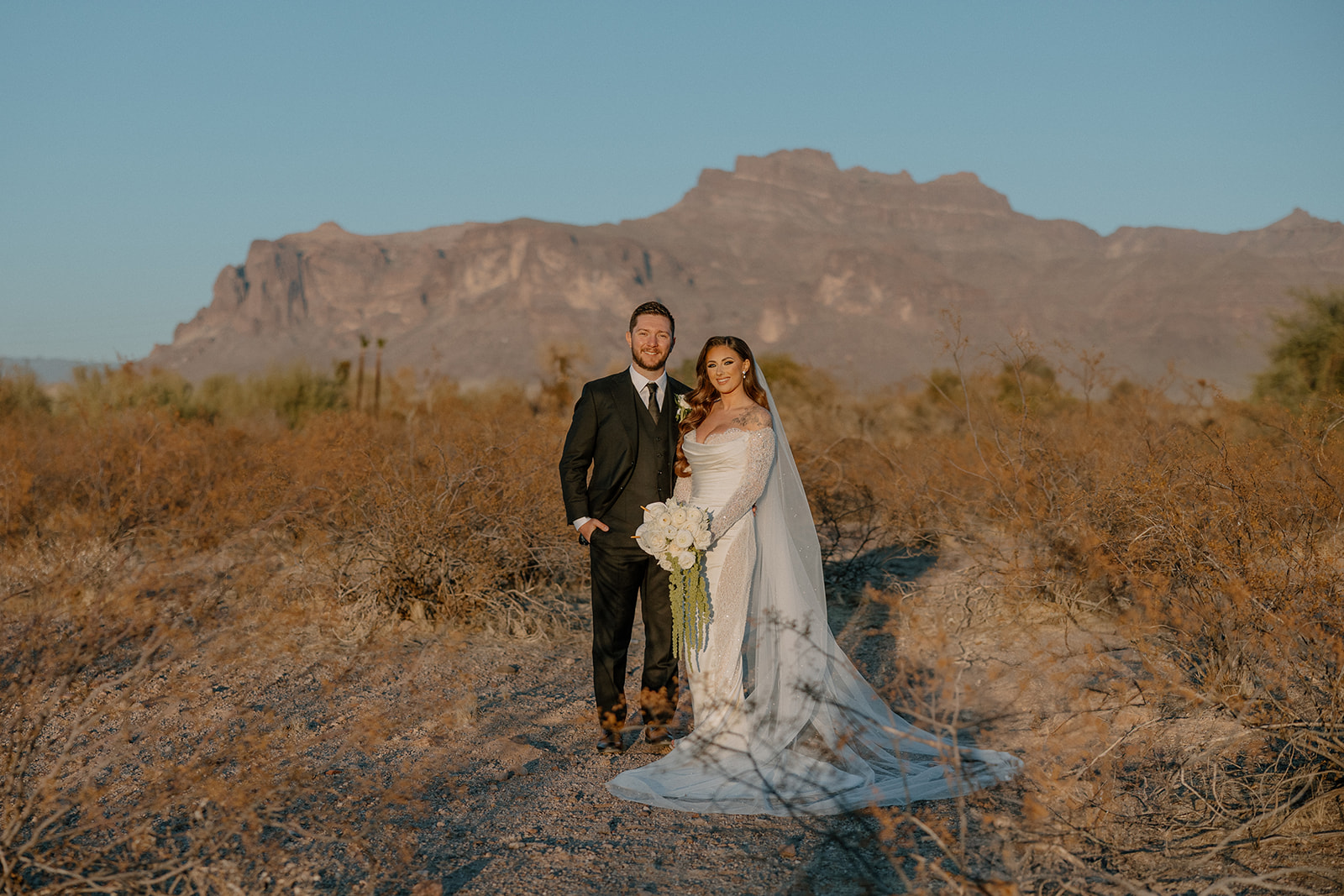
Golden Hour (last hour before sunset)
Everything turns warm and golden, like someone put a vintage filter over real life. Skin looks buttery, colors deepen, and even the air feels softer. The desert kind of glows from the inside out.
This is prime time for ceremony lighting or slipping away for some golden portraits before the party kicks off.
Blue Hour (15–30 mins after sunset)
The sun’s gone, but the sky hangs onto this deep, moody light for just a little longer. It’s cooler, calmer, and makes everything feel a bit more intimate.
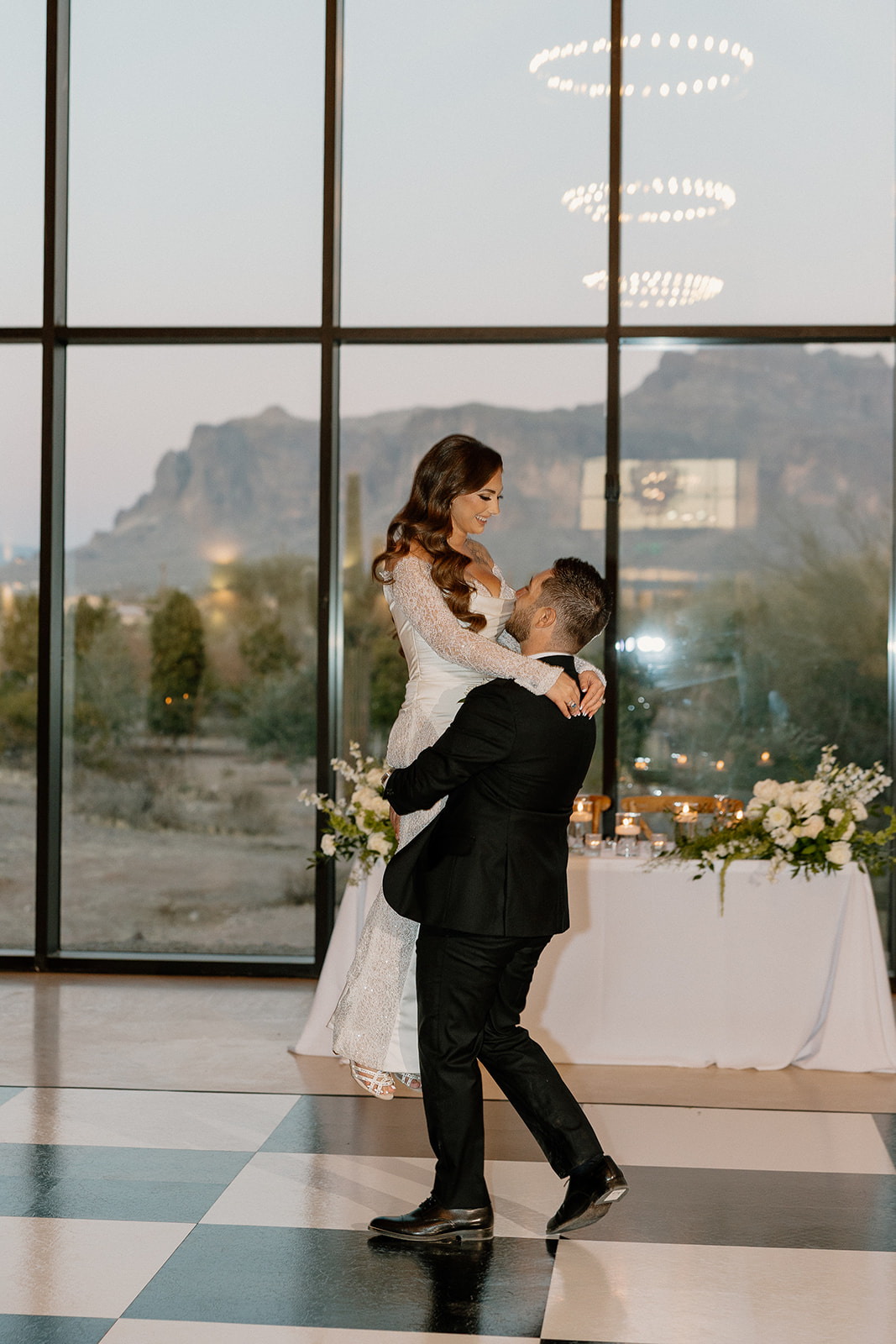
Perfect for a quiet post-ceremony walk, a quick photo reset, or your first dance under a fading sky.
One thing to know: Desert light moves fast, like blink-and-it’s-blue-hour fast. There’s no easing into it. One minute, you’ve got golden glow, the next, you’re standing in shadows, wondering where the warmth went. Timing isn’t just helpful here; it’s the whole game.
How to Build a Timeline That Works With the Sun At Your Desert View Wedding Venue (Not Against It)
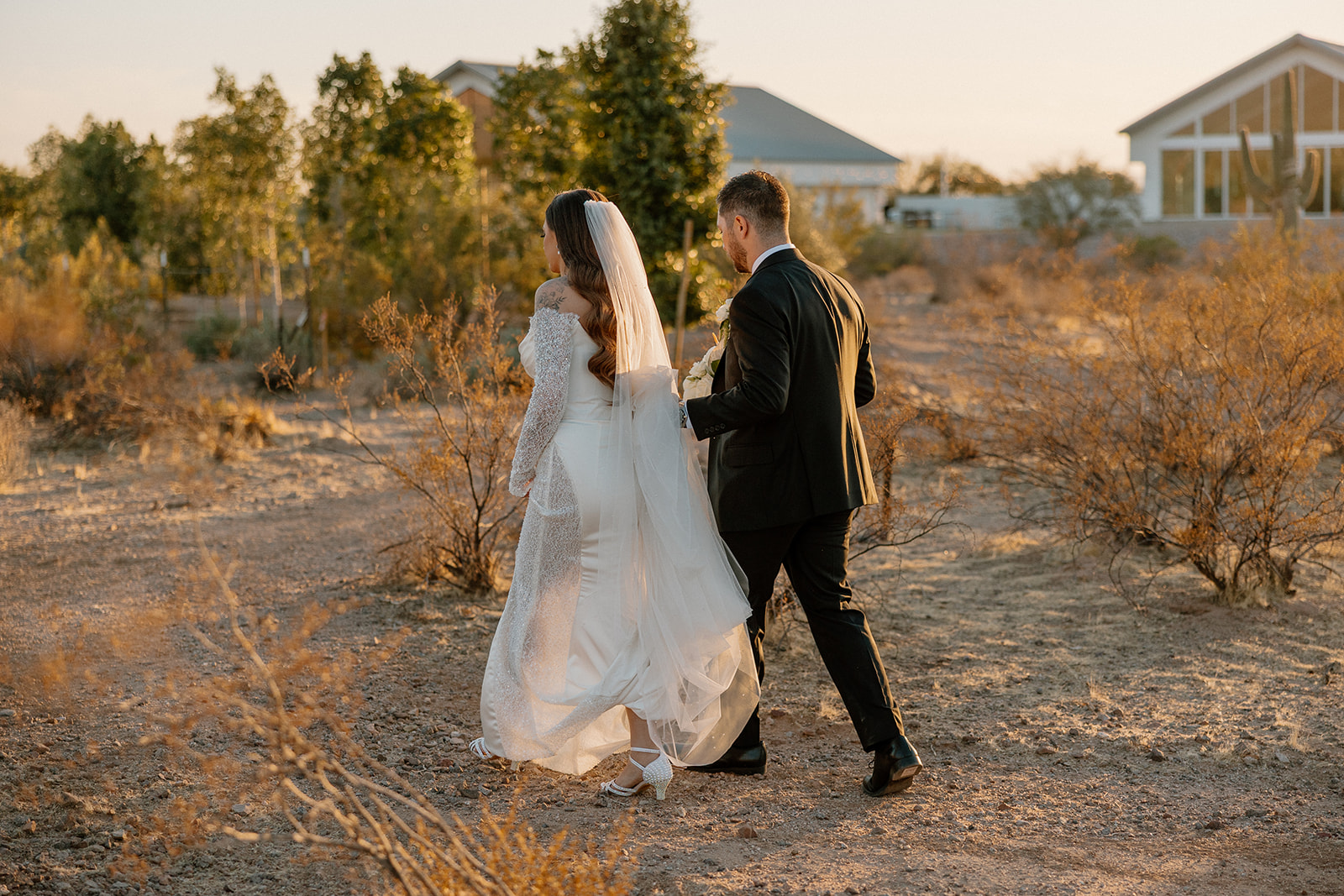
Here’s the thing about the sun: it doesn’t care what your planner printed out or what your Pinterest board says. It’s gonna rise, blaze, dip, and disappear on its own schedule. So instead of forcing your day into a generic timeline box, let’s build it around the light, as the pros do. You don’t need to obsess over every minute. It’s about setting you up for stunning, stress-free coverage with that oooh-did-you-see-that glow you actually want in your photos and video.
Here’s how we would do it on our wedding day.
Step One: Look Up the Sunset
Start here. Always. Find the sunset time for your exact wedding date and location (we use apps like Time and Date or just straight-up Google it). That’s your North Star. Build everything else around it.
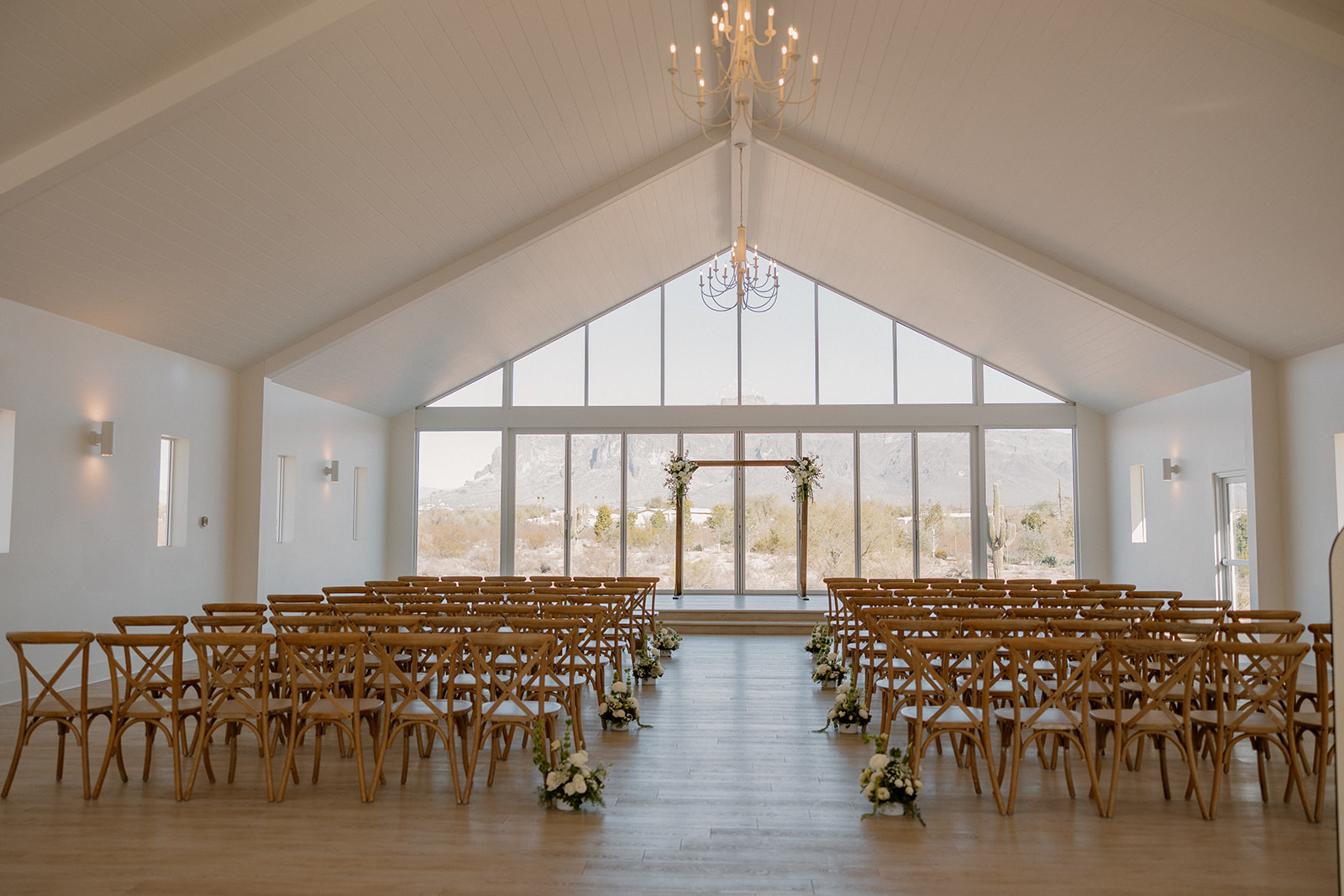
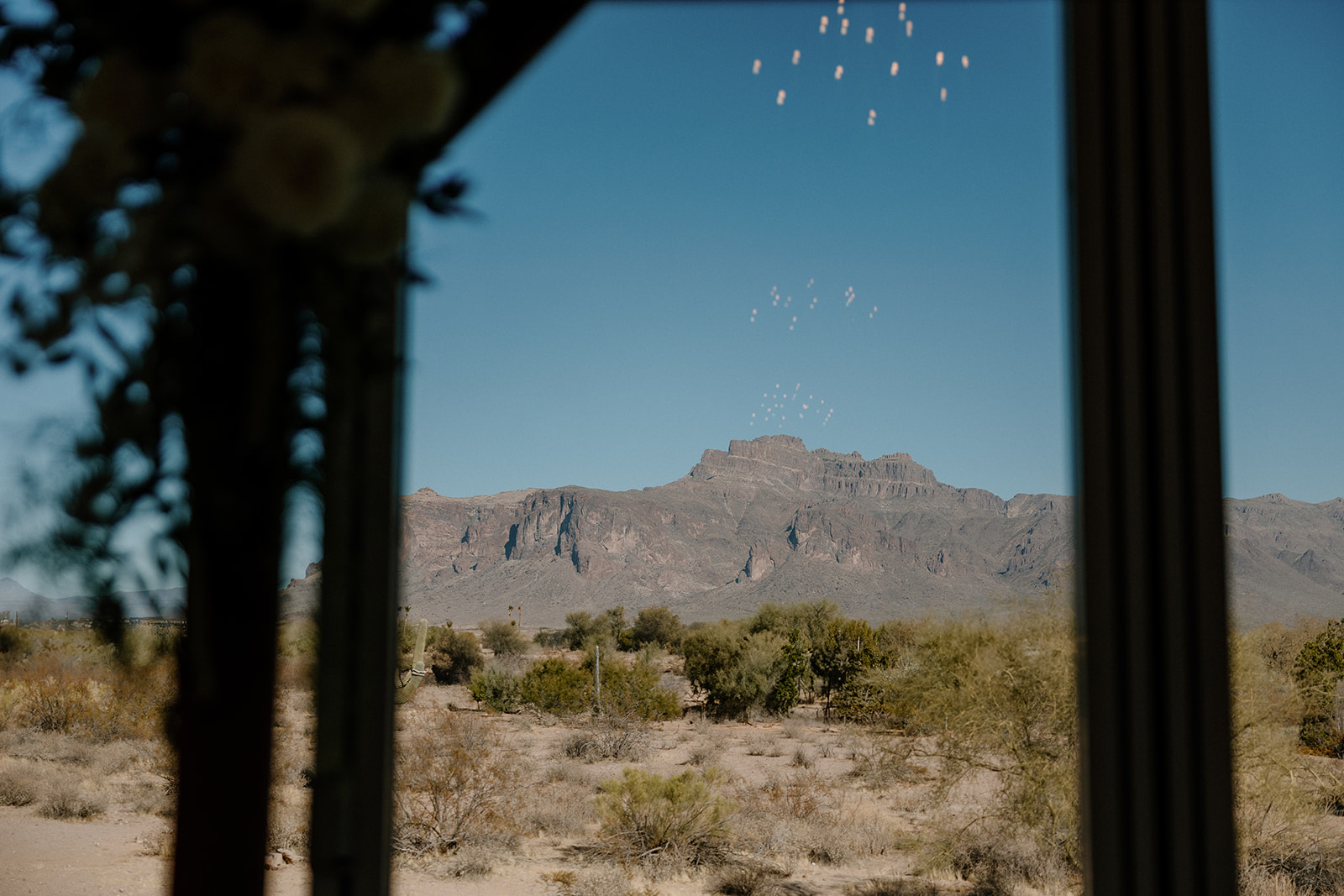
Step Two: Time Your Ceremony for the Glow
You’ve got options, and both are legit, depending on how you want the day to feel.
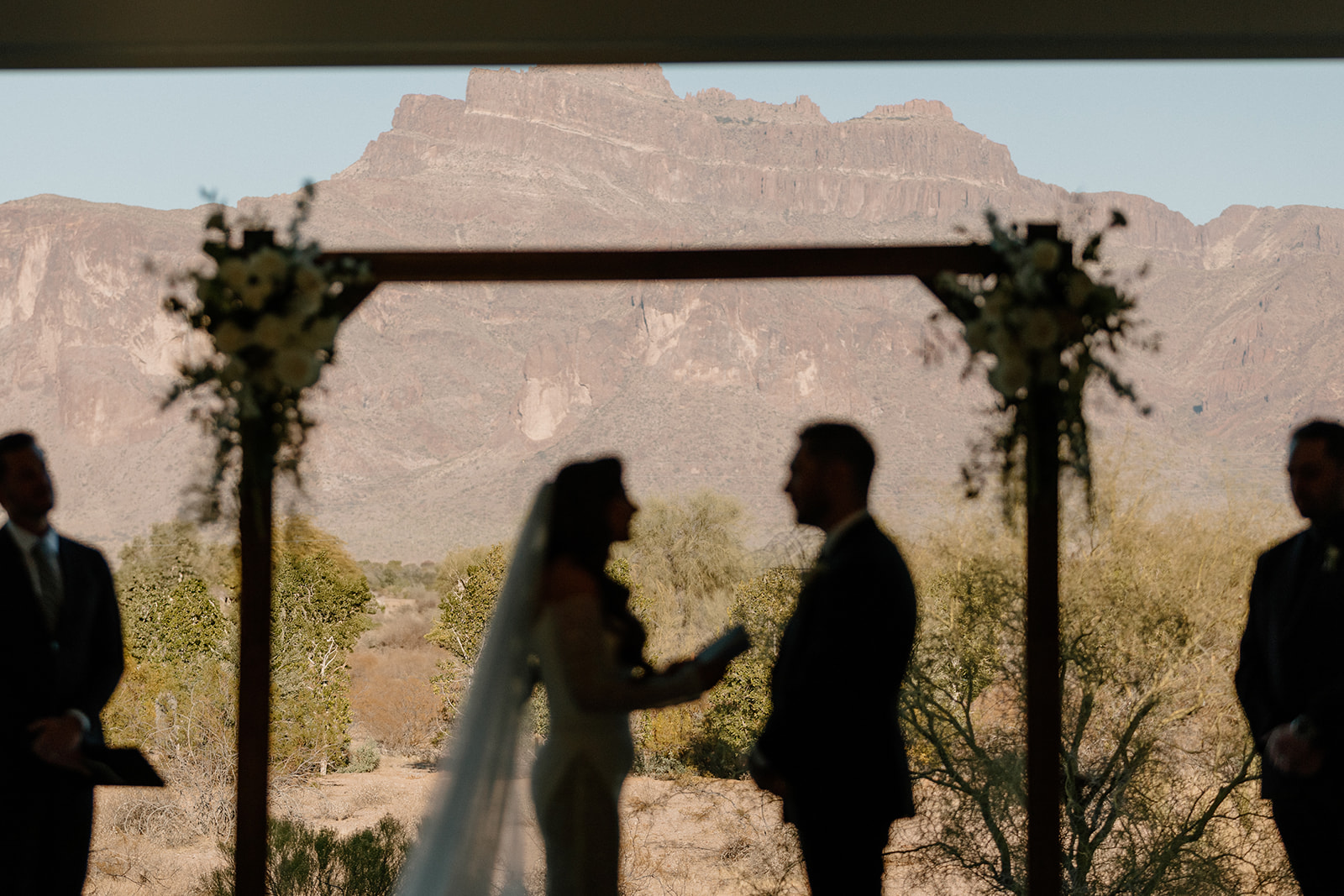
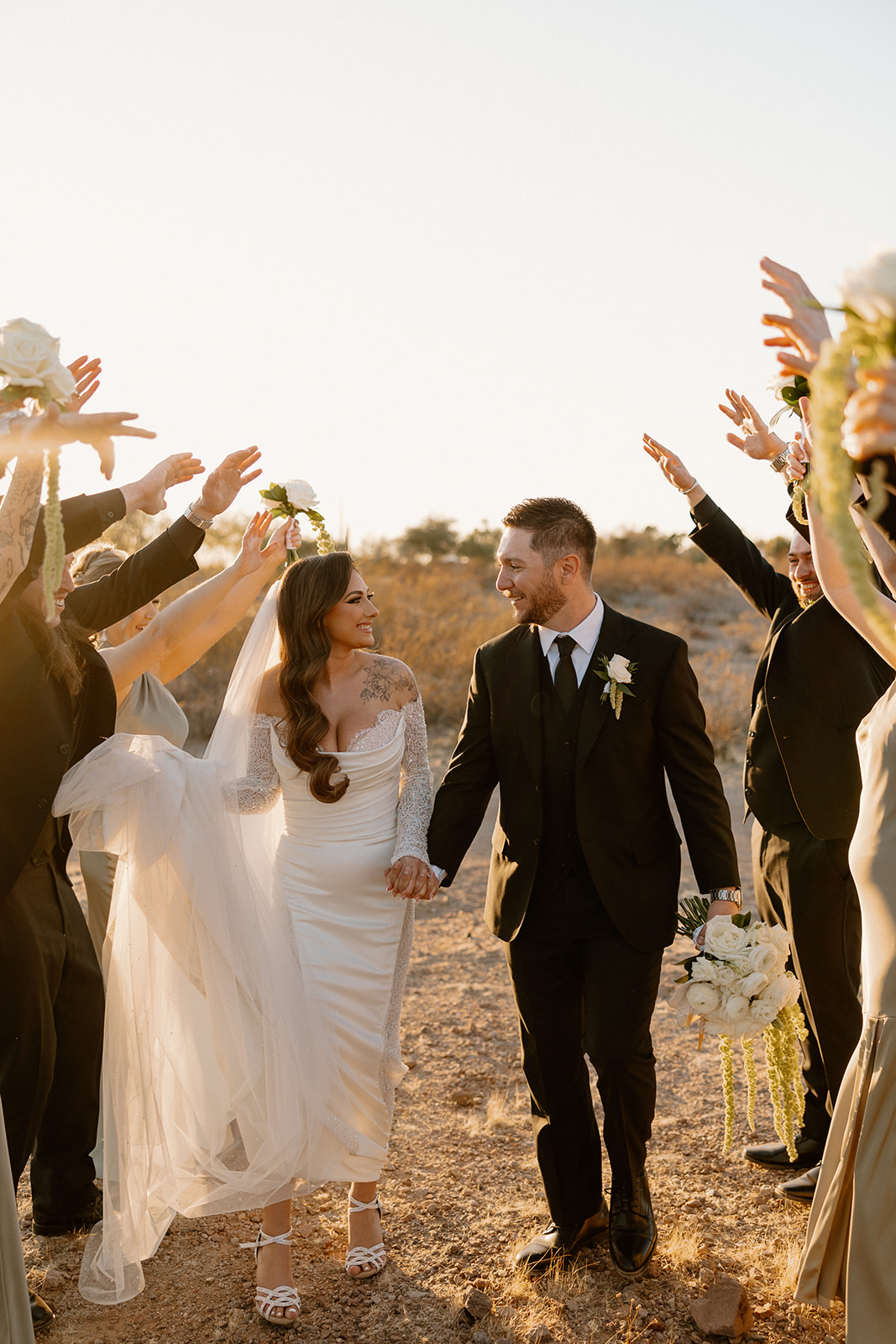
The Glow-Up Ceremony – Plan for about 1 hour before sunset. The light hits soft, warm, and flattering, think glowing skin, backlit vows, and zero harsh shadows. Bonus: you roll right into golden hour portraits while everyone’s still buzzing from the ceremony.
The Early-Bird (But Still Gorgeous) Ceremony – Go for 90 minutes before sunset if you want a little more breathing room between events, or if you don’t want your guests sweating through their outfits. You’ll still land in that golden light pocket for portraits later, and the energy stays smooth and unhurried.
Step Three: Lock in That Portrait Window
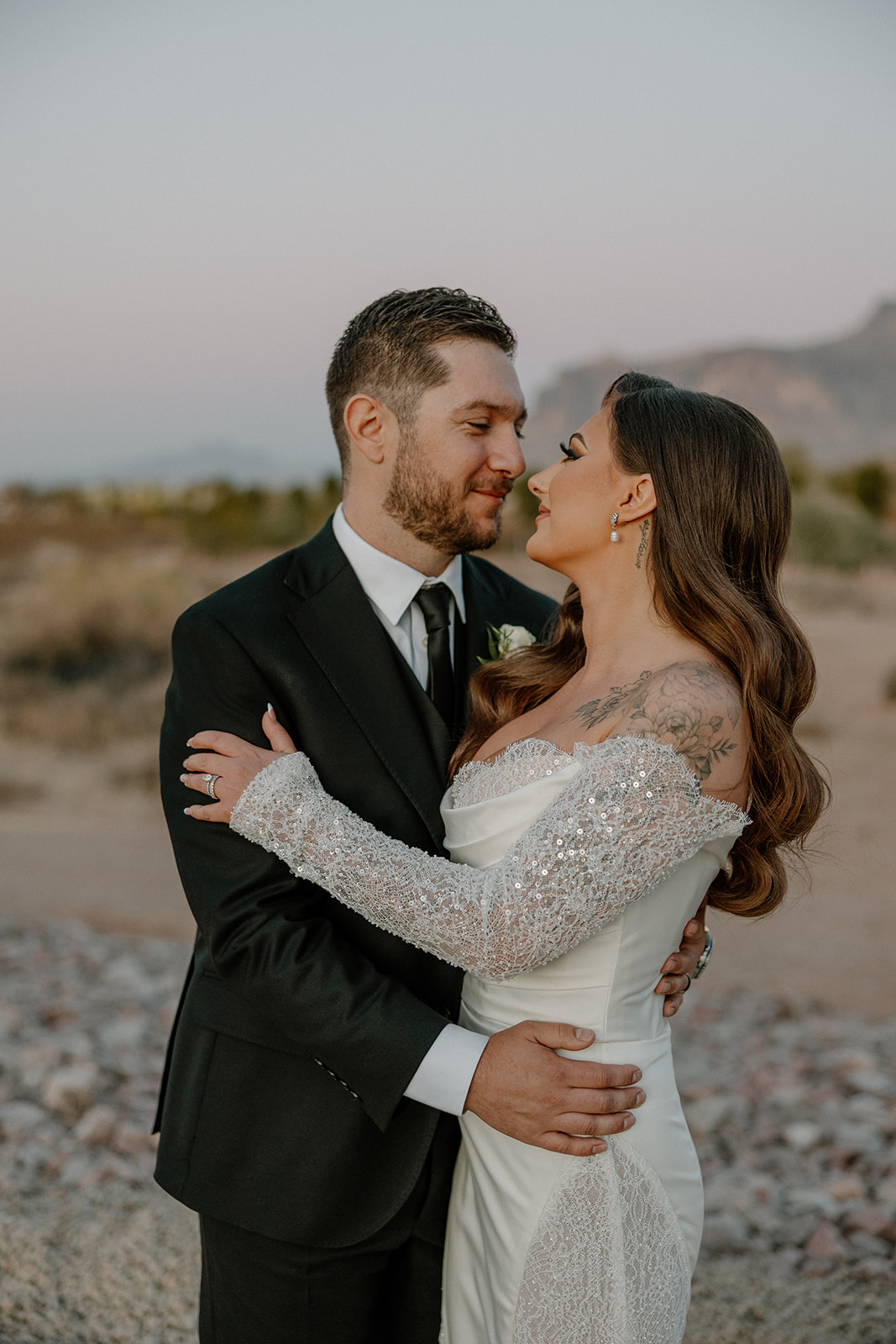
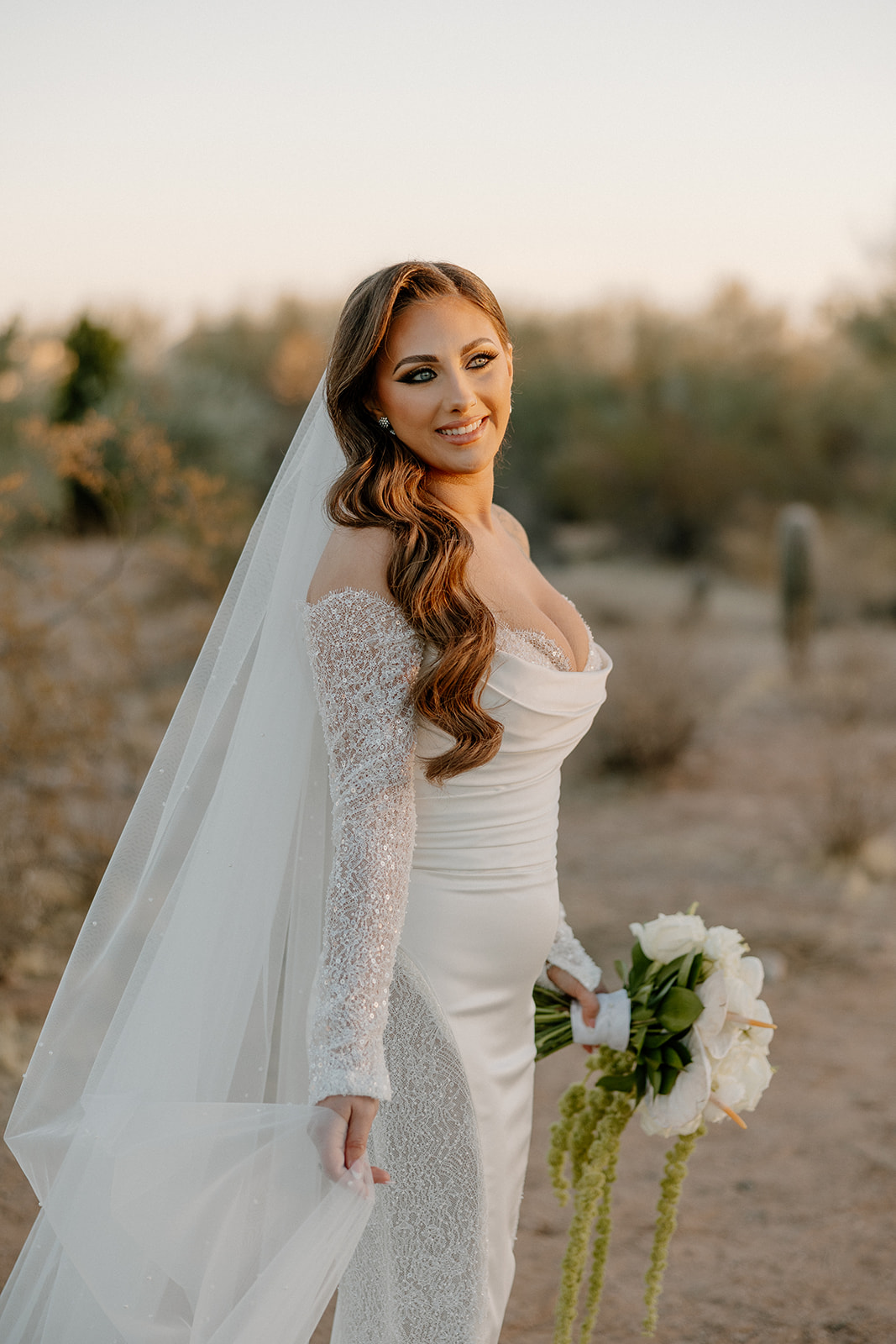
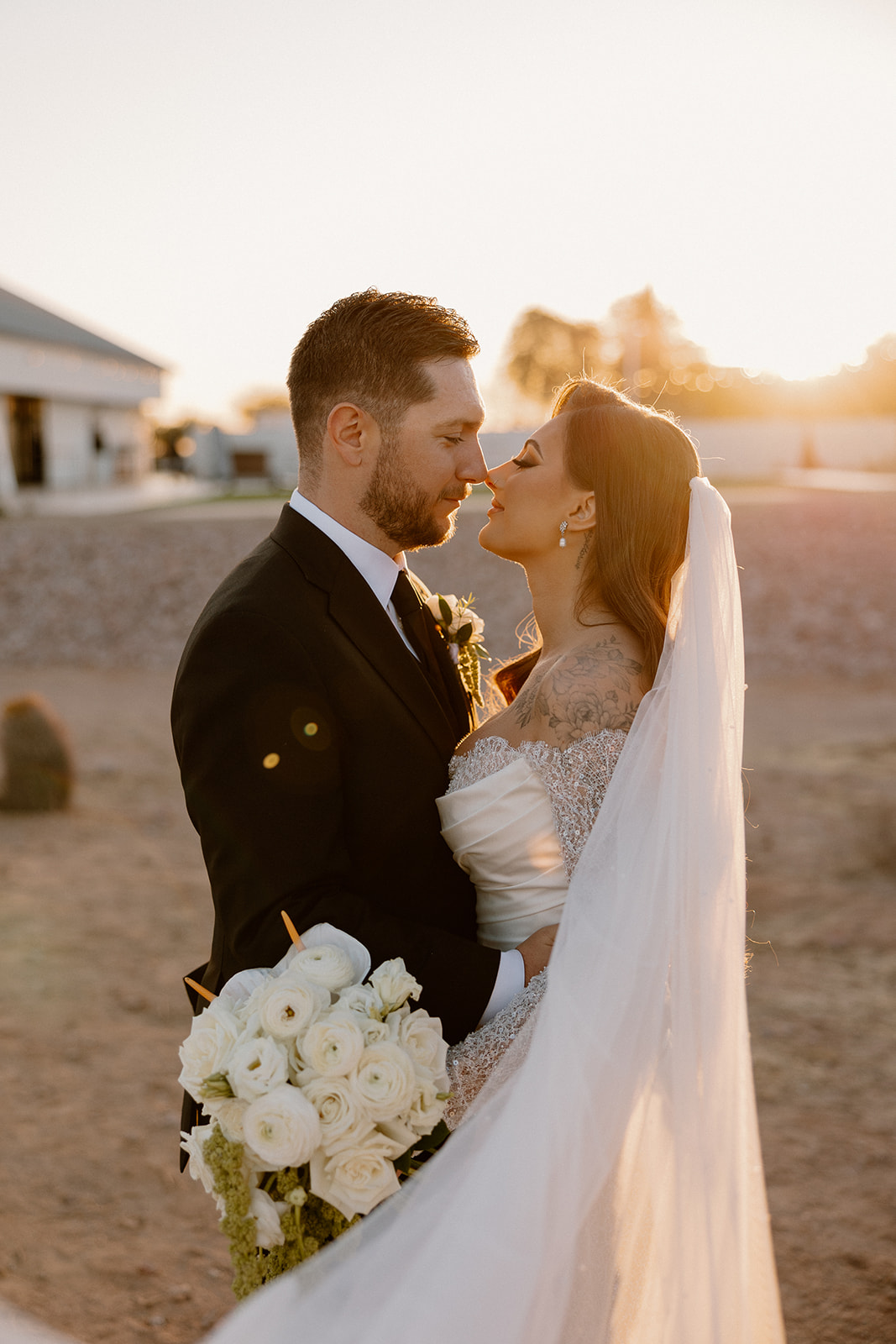
This is the part of the day where the good light shows up and does its thing, but only if you give it space. We always carve out 30–45 minutes before sunset, just for you two. No interruptions. No rush. Just the desert, the glow, and a chance to actually take it all in.
It’s that quiet, golden stretch where the sun hits just right, the nerves have melted off, and everything feels soft and real. You’re not posing, you’re just in the moment with your partner, and we’re there to catch it. This is the moment that ends up on your walls.
Step Four: Knock Out Family + Wedding Party Photos Earlier
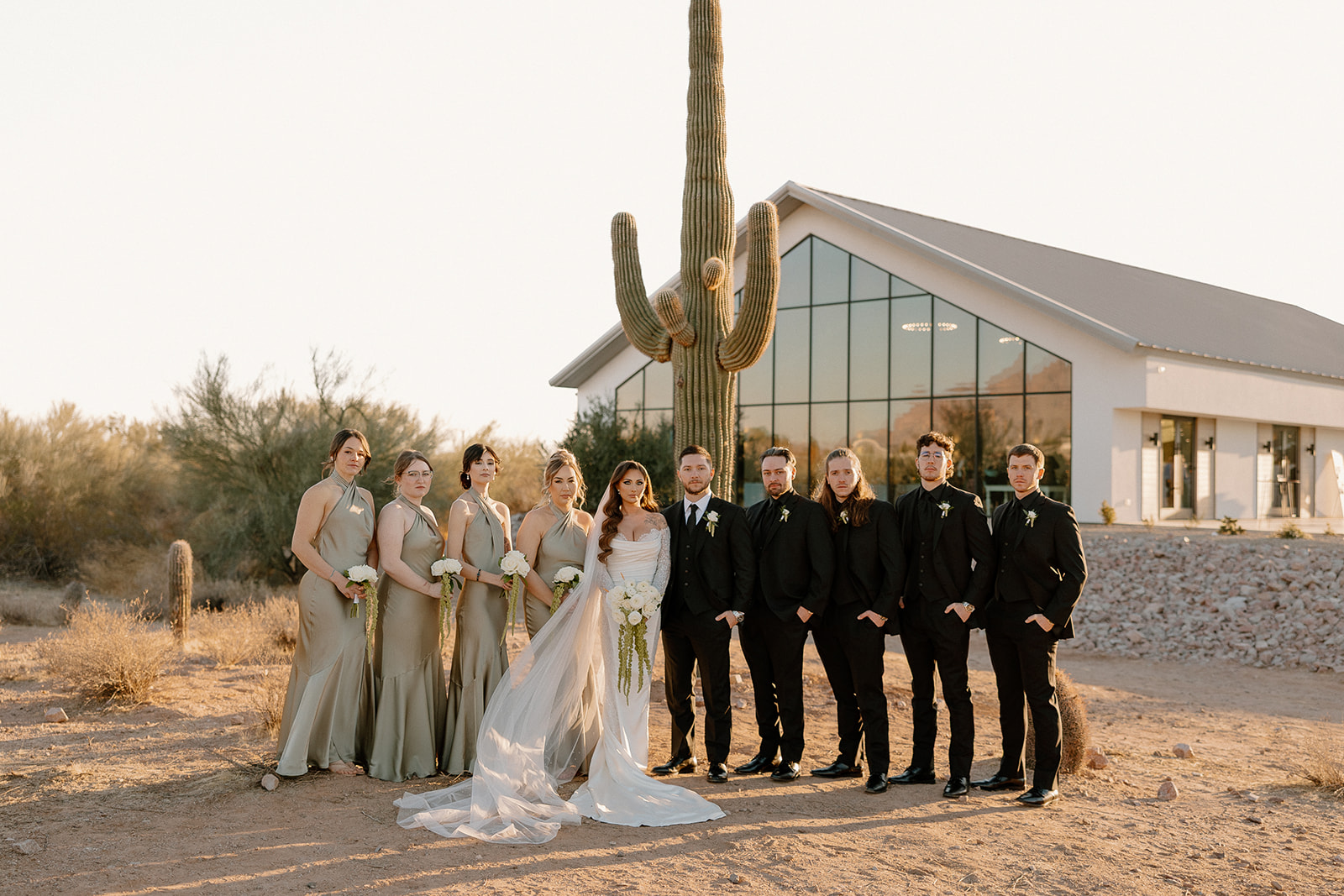
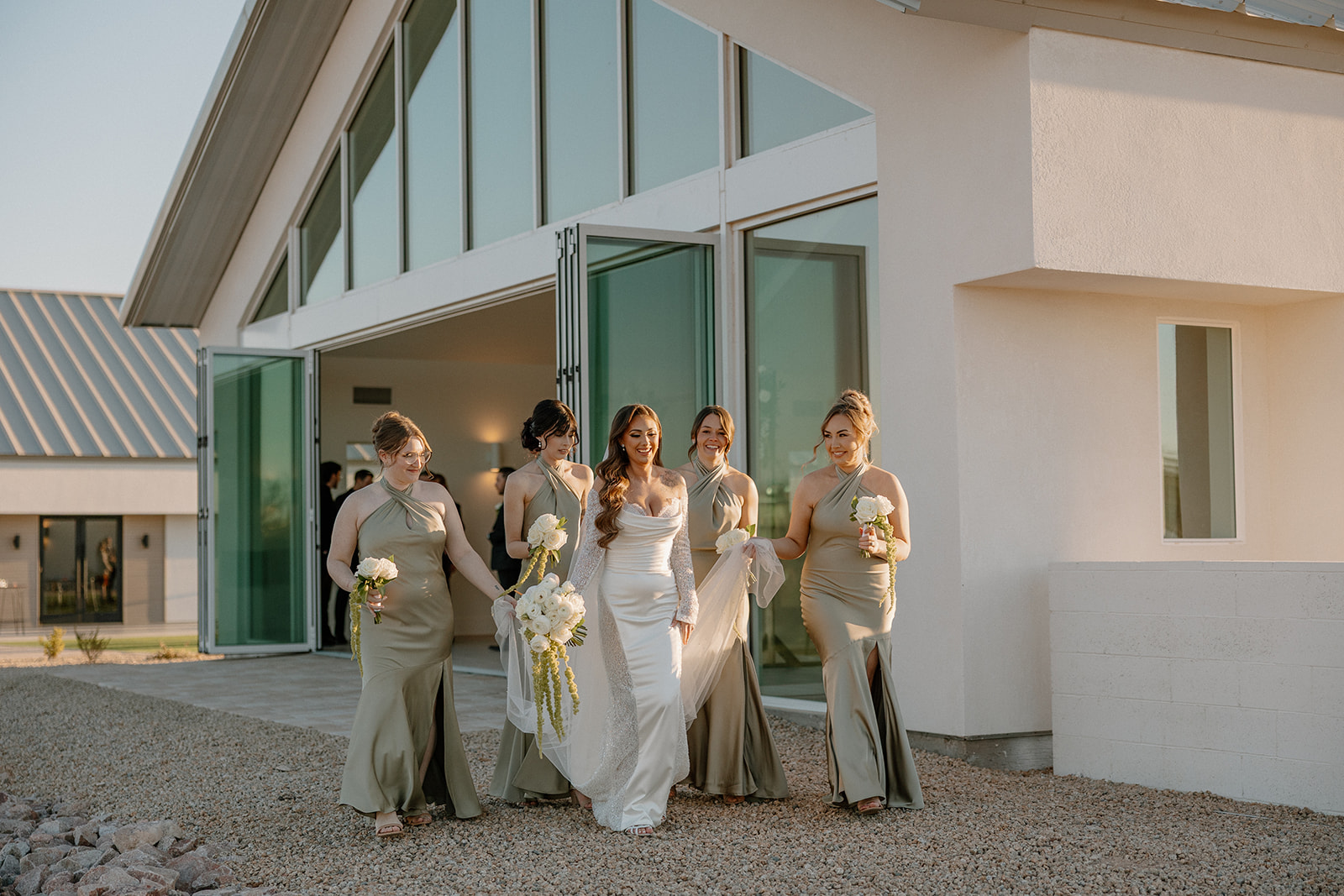
Look, we love your people. But we don’t want them standing around in full sun, melting into the desert floor. If you’re doing a first look, knock these out before the ceremony when everyone’s still fresh, and no one’s asking about the bar.
Not doing a first look? Totally cool, we’ll make it work. Just know that after the ceremony, we’re moving with purpose. We’ll grab the fam and the wedding crew, find some soft light (no patchy sun-face situations, promise), and power through the must-haves so you can get back to your people and your plate of tacos.
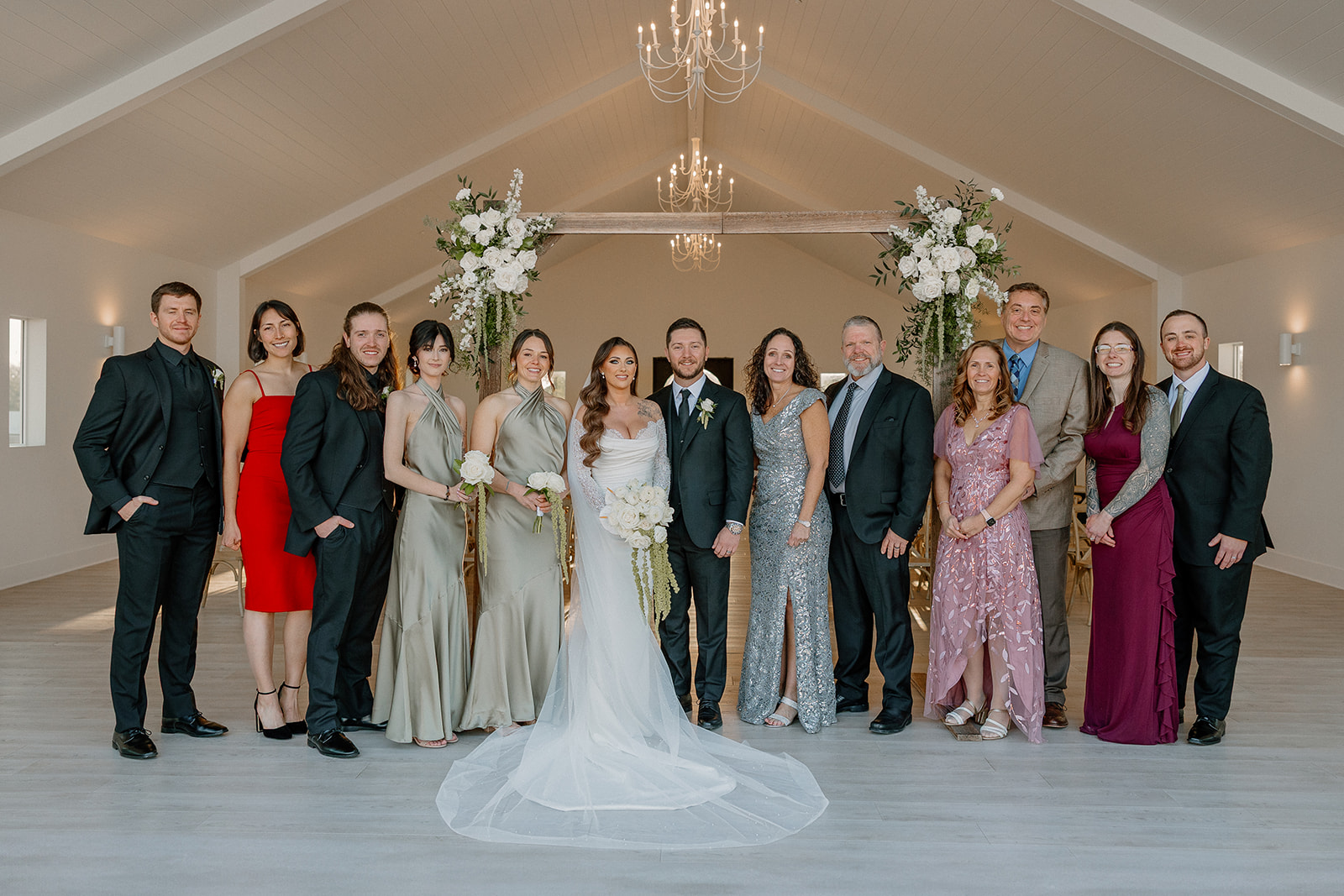
Pro tip: designate a photo-wrangler from each side of the fam who knows who’s who. Your timeline (and your sanity) will thank you!
Step Five: Let the Reception Ride the Light Shift
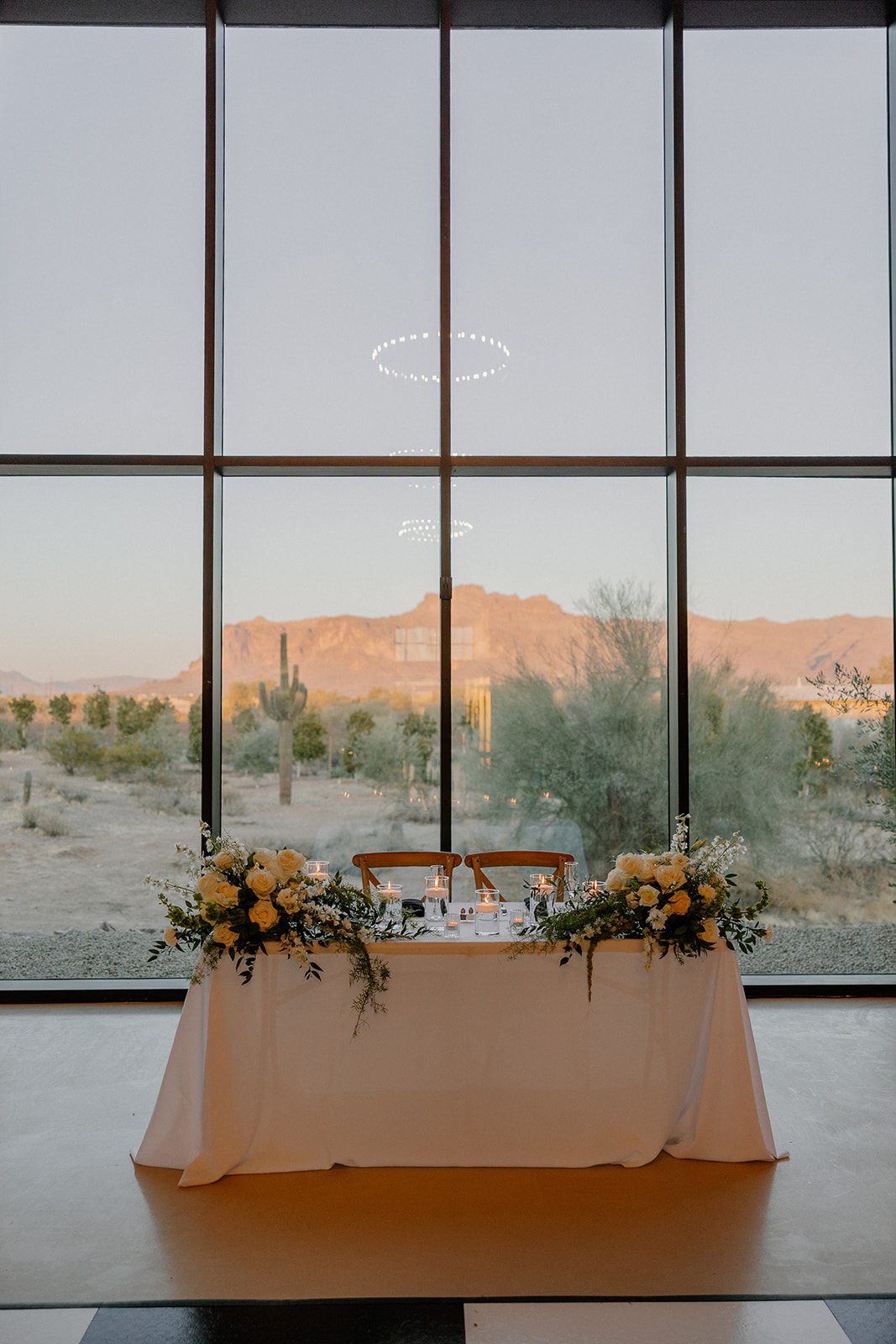
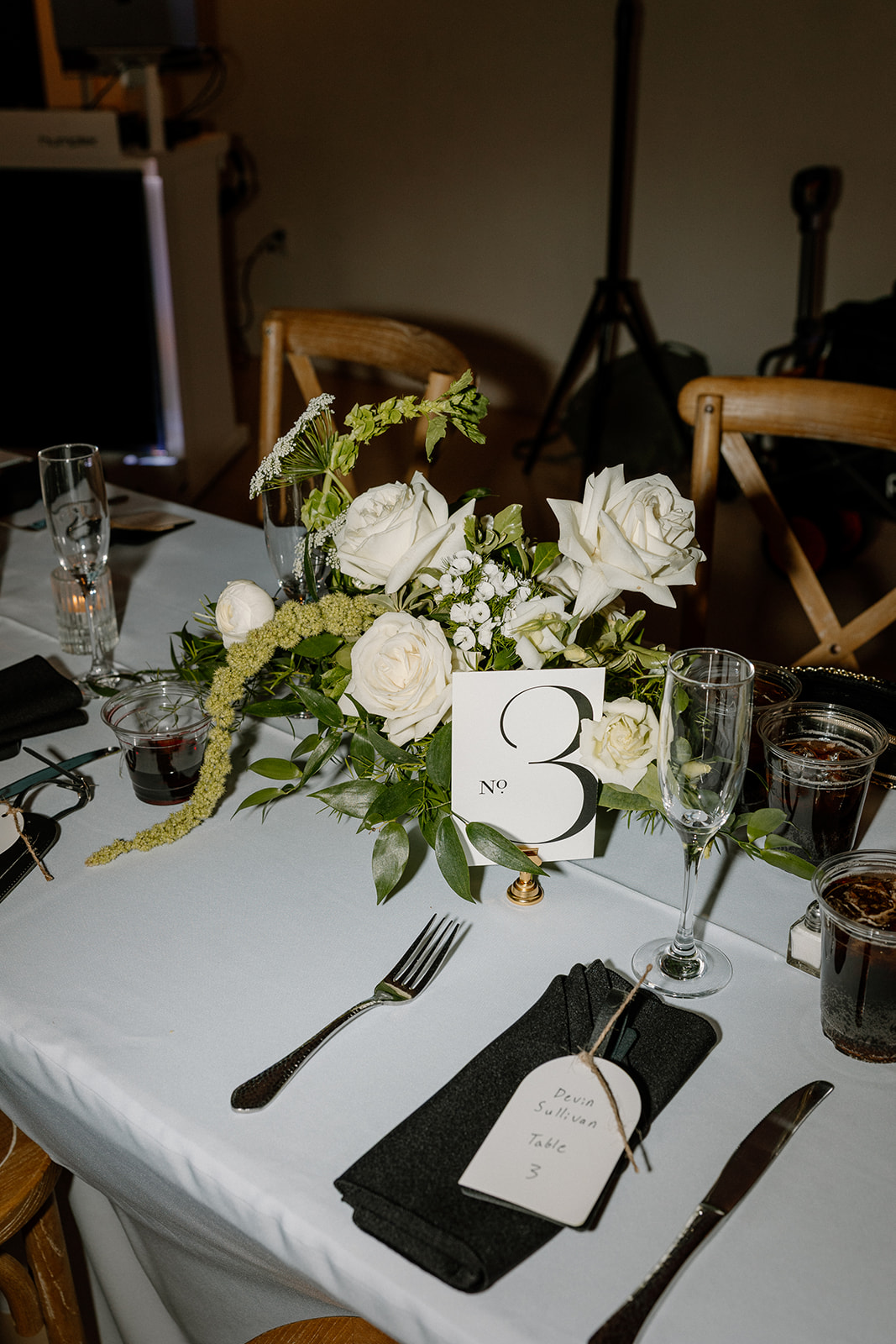
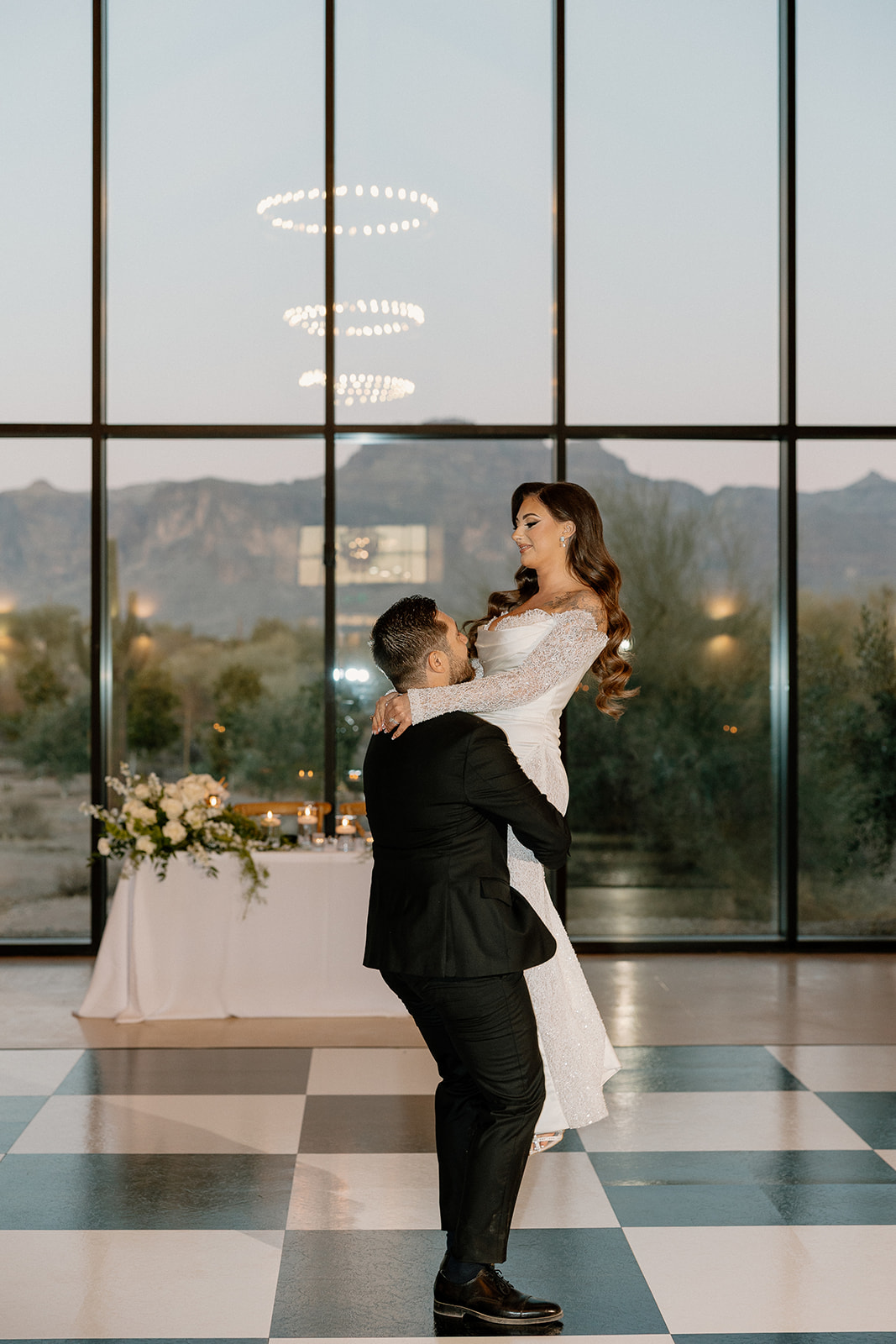
Golden hour fades fast, but it hands things off to blue hour, and that’s where the mood shifts. Think warm twinkle lights, cool tones in the sky, and a first dance that feels like a scene from a music video (but not in a cheesy way, promise).
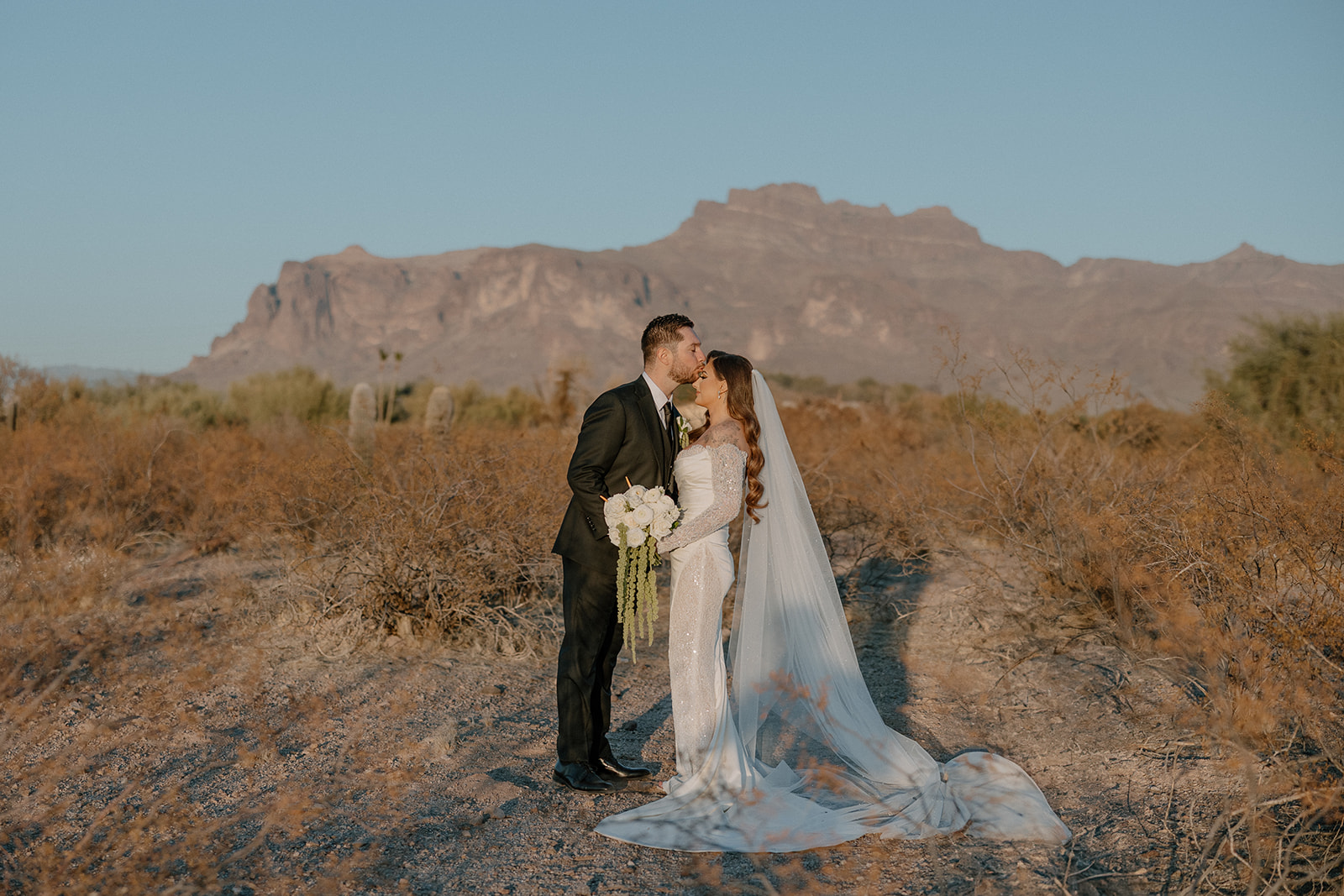
We’ll usually sneak you away for one last little blue-hour moment while your guests are grabbing a drink or sitting down for dinner. You walk back in like a desert icon, and dinner’s still hot.
Common Timeline Mistakes We See in the Desert (And How to Dodge Them Like Pros)
We’ve been around the (sandy) block, and we’ve seen some things, timeline chaos. Golden hour missed. A groom in a bolo tie melting under the 2 PM sun. The good news? These are all fixable if you know what to look out for.
Here’s what trips couples up out here, and how to make sure you don’t fall into the same dusty trap.
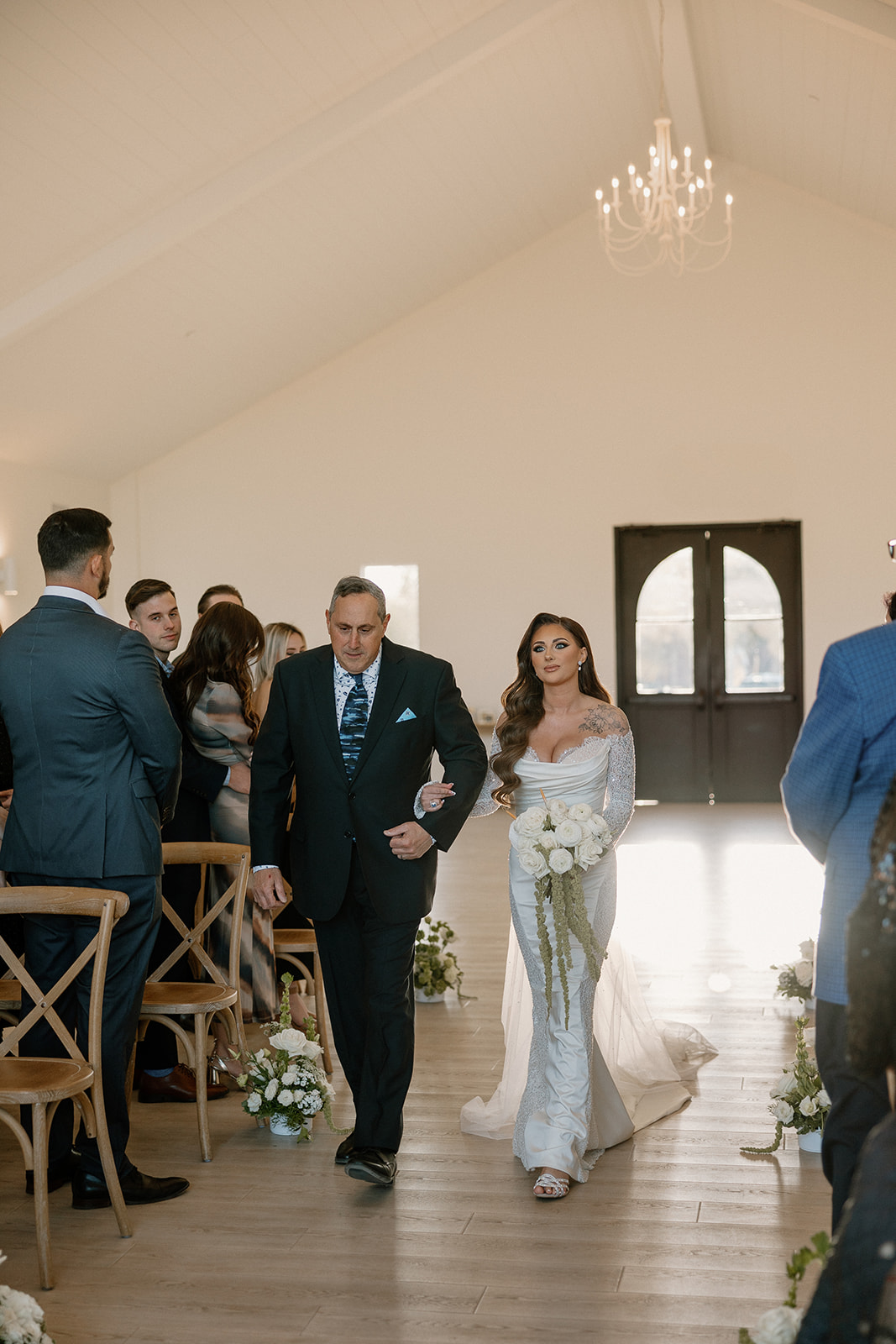
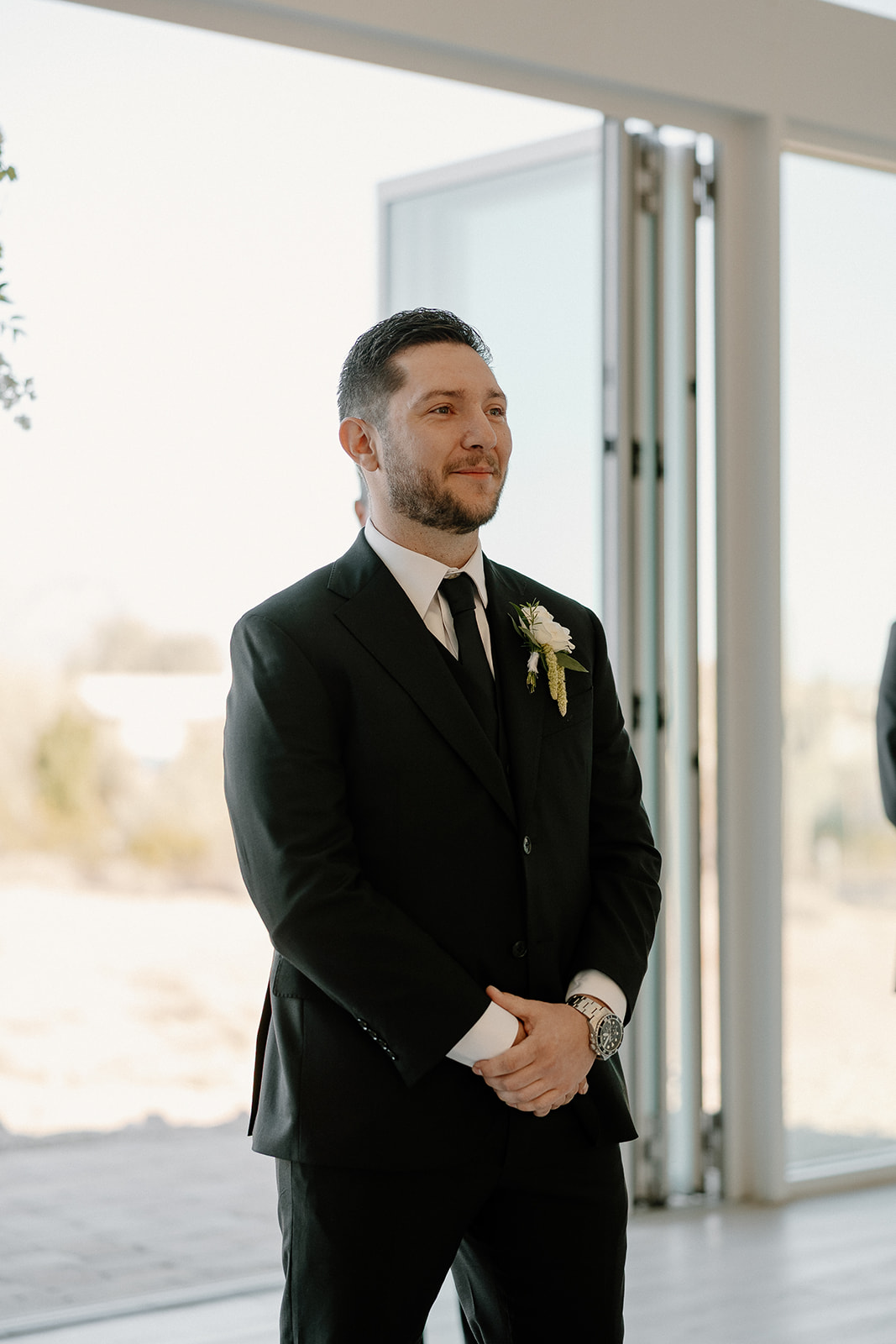
Scheduling the ceremony too early
Sure, 2 PM sounds reasonable, until you’re standing in full sun with shadows under your eyes and sweat in places you didn’t know could sweat.
How to Avoid it: Shift it later. Aim for that golden hour window and let the light do the work. Your skin, your photos, and your guests will thank you.
Thinking golden hour lasts longer than it does
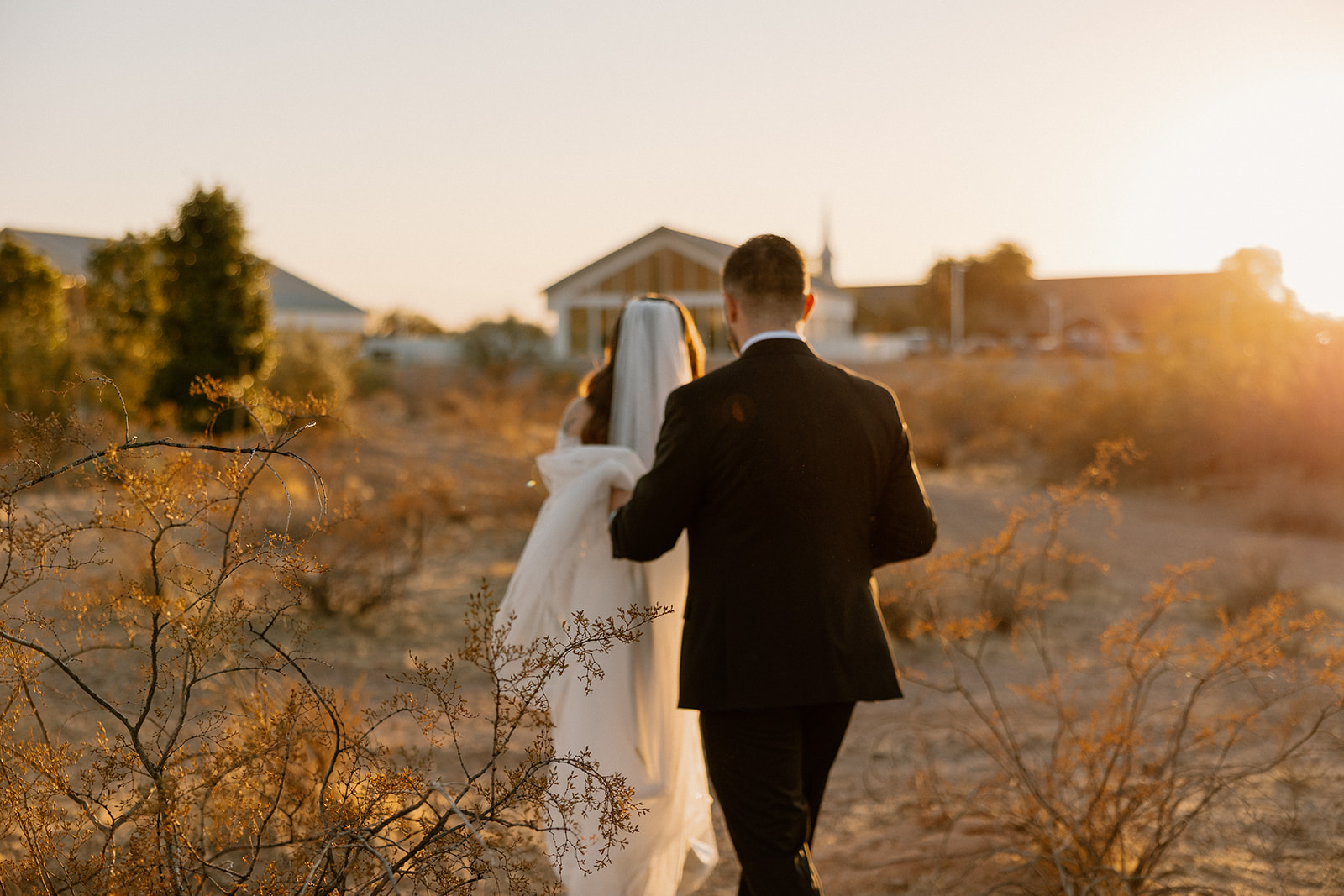
Spoiler: it’s short. And in the desert? It’s even shorter. One minute it’s glow city, the next minute it’s blue hour, and your photographer is speed-walking backwards with one last “just one more!”
How to Avoid it: Block off that 30–45 minute window before sunset for couples portraits. Protect it like it’s the last spicy marg on the tray.
Skipping buffer time
Weddings are real life; somebody’s shoe breaks, your uncle starts telling stories, and a boutonniere goes missing.
How to Avoid it: Pad your timeline with little breathing moments, ten minutes here, five minutes there. A few breathers built in = less stress, more tacos.
Underestimating the heat
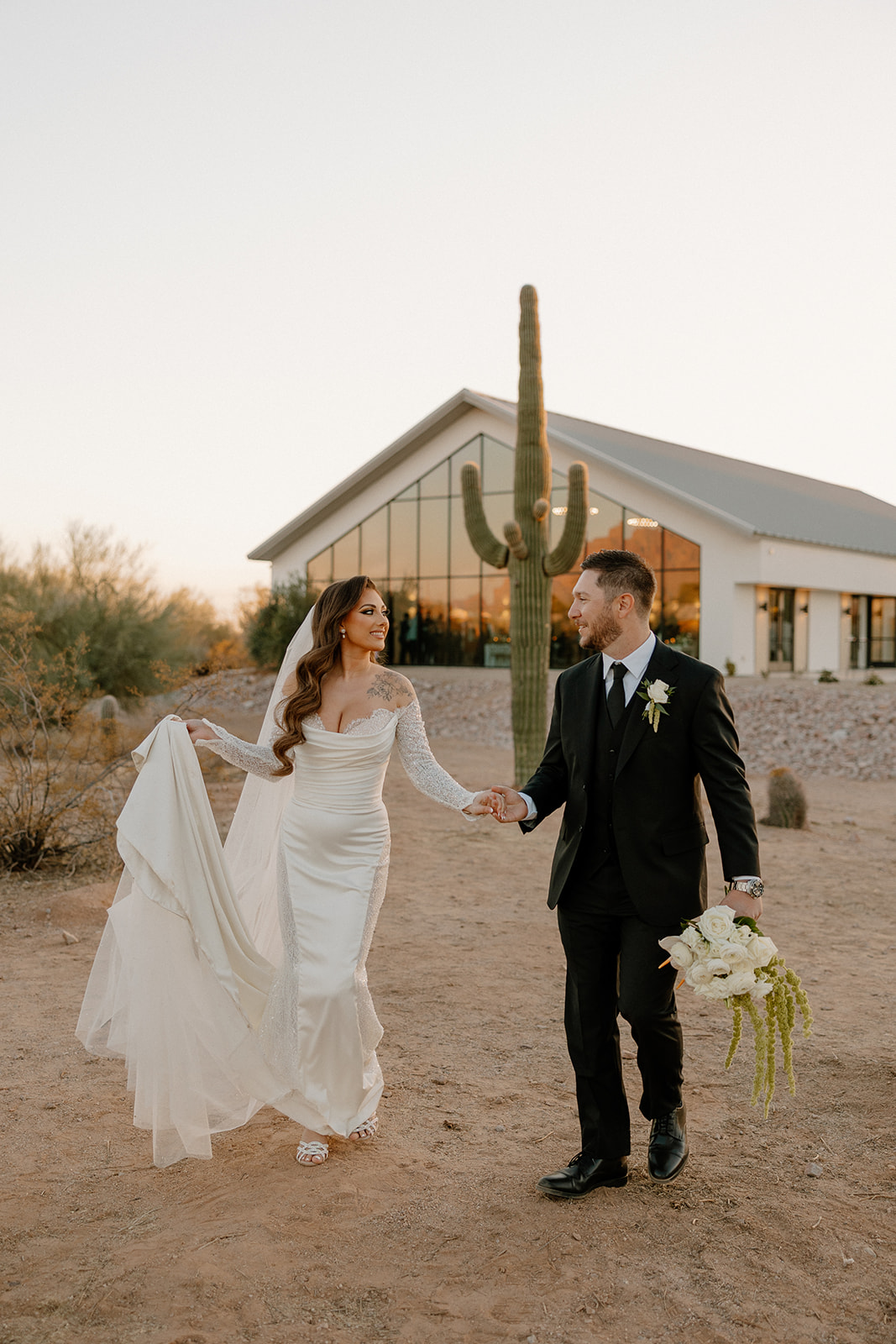
Yes, it’s pretty. But it’s also toasty. We’ve seen groomsmen wilt and foundation melt. We’ve seen people sneak off just to hug the nearest fan.
How to Avoid it: Plan shaded photo spots, pass out cold drinks like you’re hosting Coachella, and if someone offers handheld fans, say yes, always yes.
Bottom line: the desert doesn’t mess around. But if your timeline does? We’ve got your back.
Gear + Vendor Tips for Nailing the Light at Your Desert View Wedding Venue
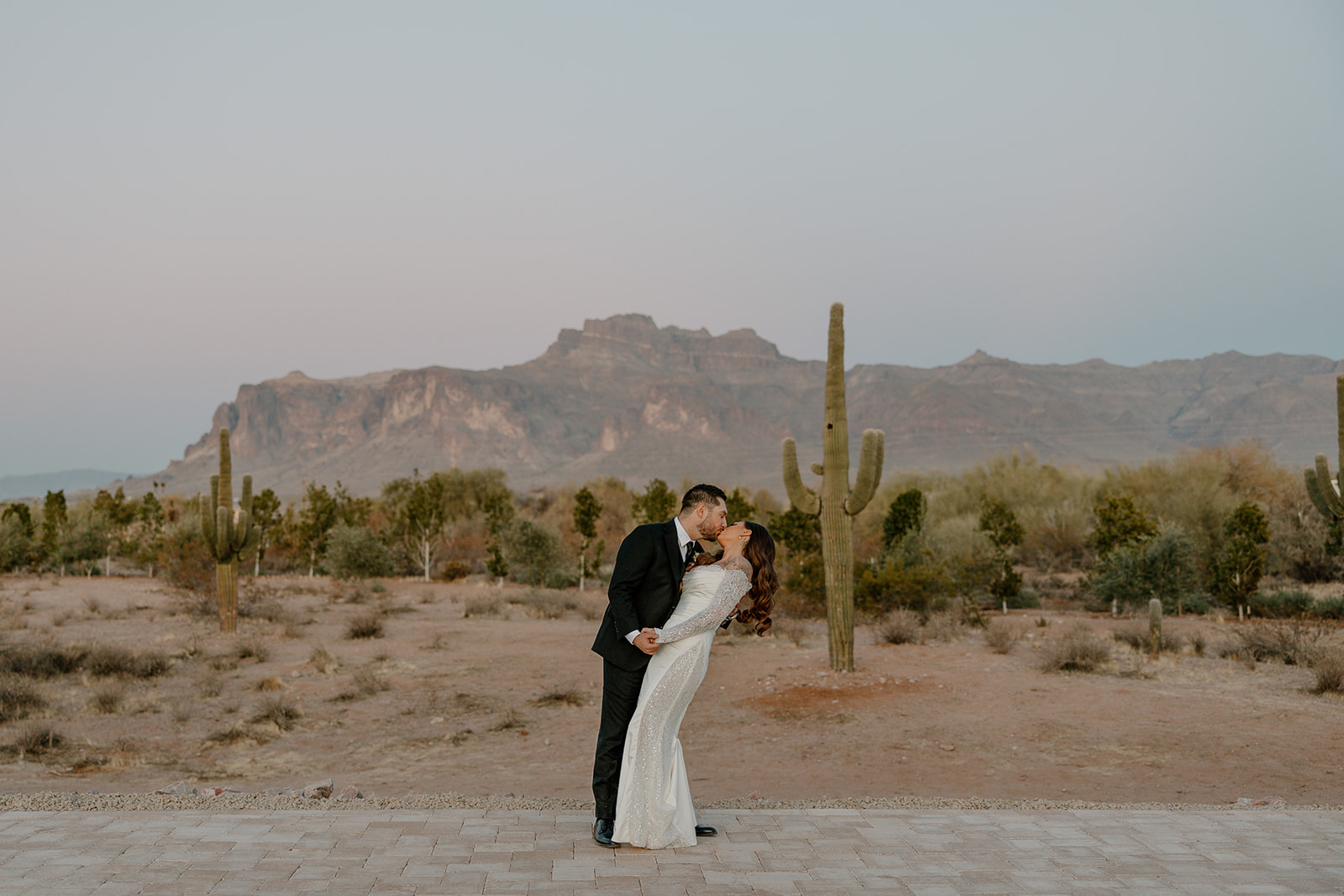
Here’s the thing: desert light is stunning, but she’s not always easy to work with. You need the right tools, the right timing, and the right team that knows how to chase that glow without fighting it.
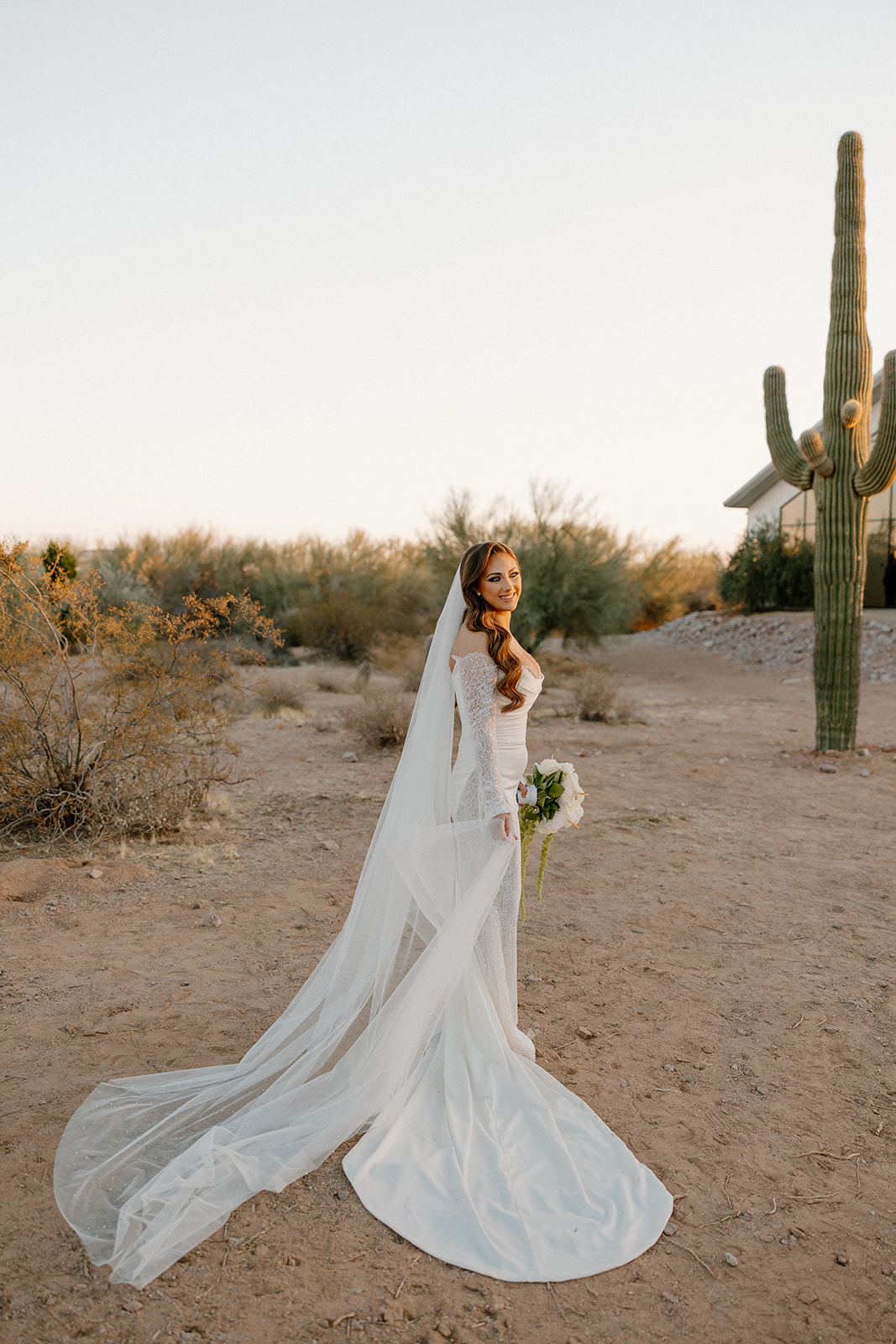
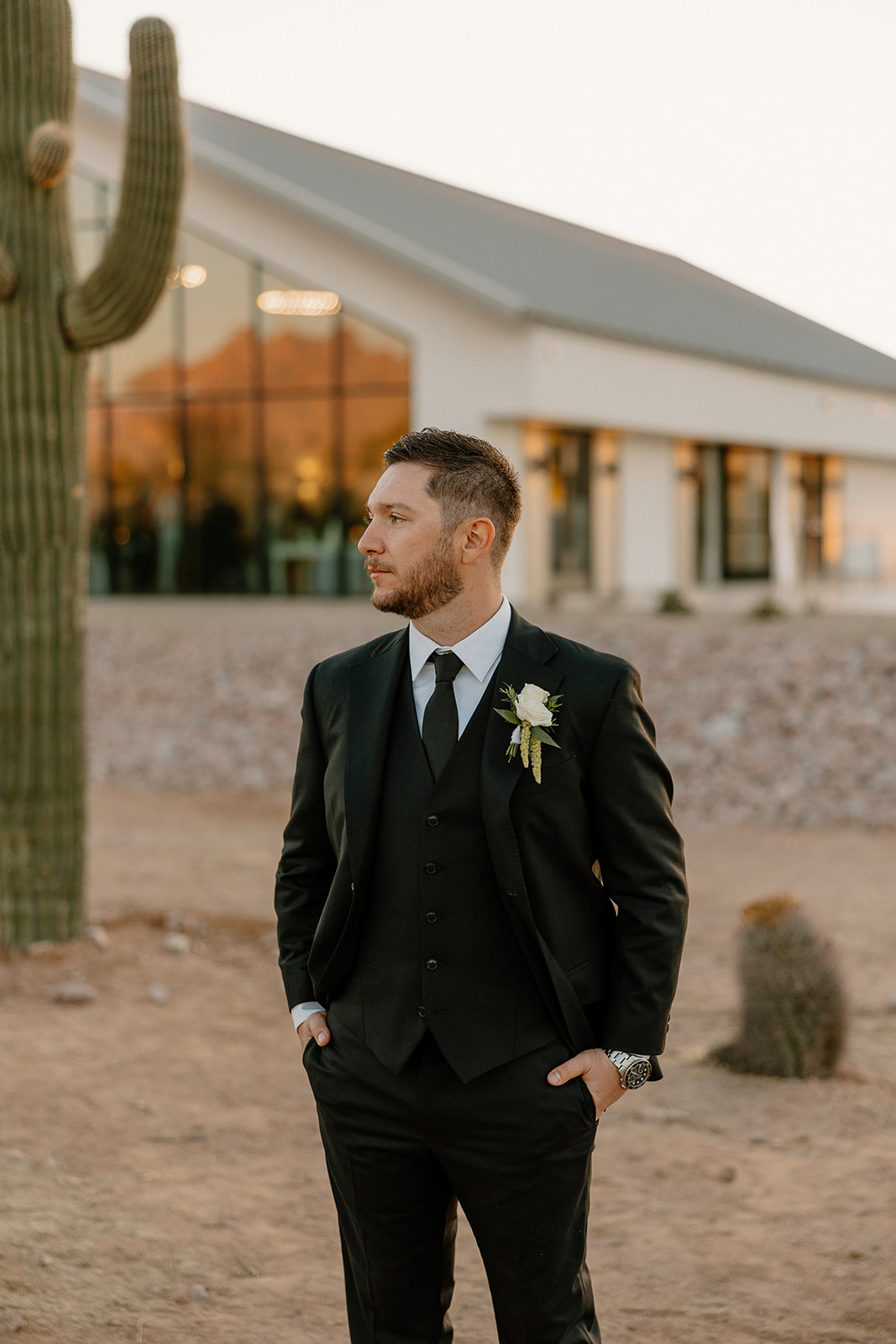
Here’s how we keep it cool (literally and creatively) when shooting at a desert wedding venue:
The right gear makes a difference – We roll up with the good stuff: reflectors to soften shadows, diffusion when the light gets a little too hype, backup lighting for after the sun dips, all the tools to make you look golden no matter what the sky’s doing.
Tell your vendor squad what’s up – Loop in your planner, your DJ, your HMUA, all of ’em. Make sure everyone knows when golden hour hits and when you’ll be out shooting. That way, no one’s announcing speeches while you’re sneaking golden portraits, and no one’s touching up makeup after the good light’s gone.
This is where working with an experienced Arizona wedding photographer really matters. Desert light doesn’t leave room for guessing – you need someone who’s confident in full sun and ready to pivot fast when the glow shifts.
Your timeline is a creative tool, not just a schedule – This is where the photos and video come to life. We’ll bring the gear, you bring the vibe, and golden hour handles the rest
Why Desert View Weddings & Events Shines (Literally)
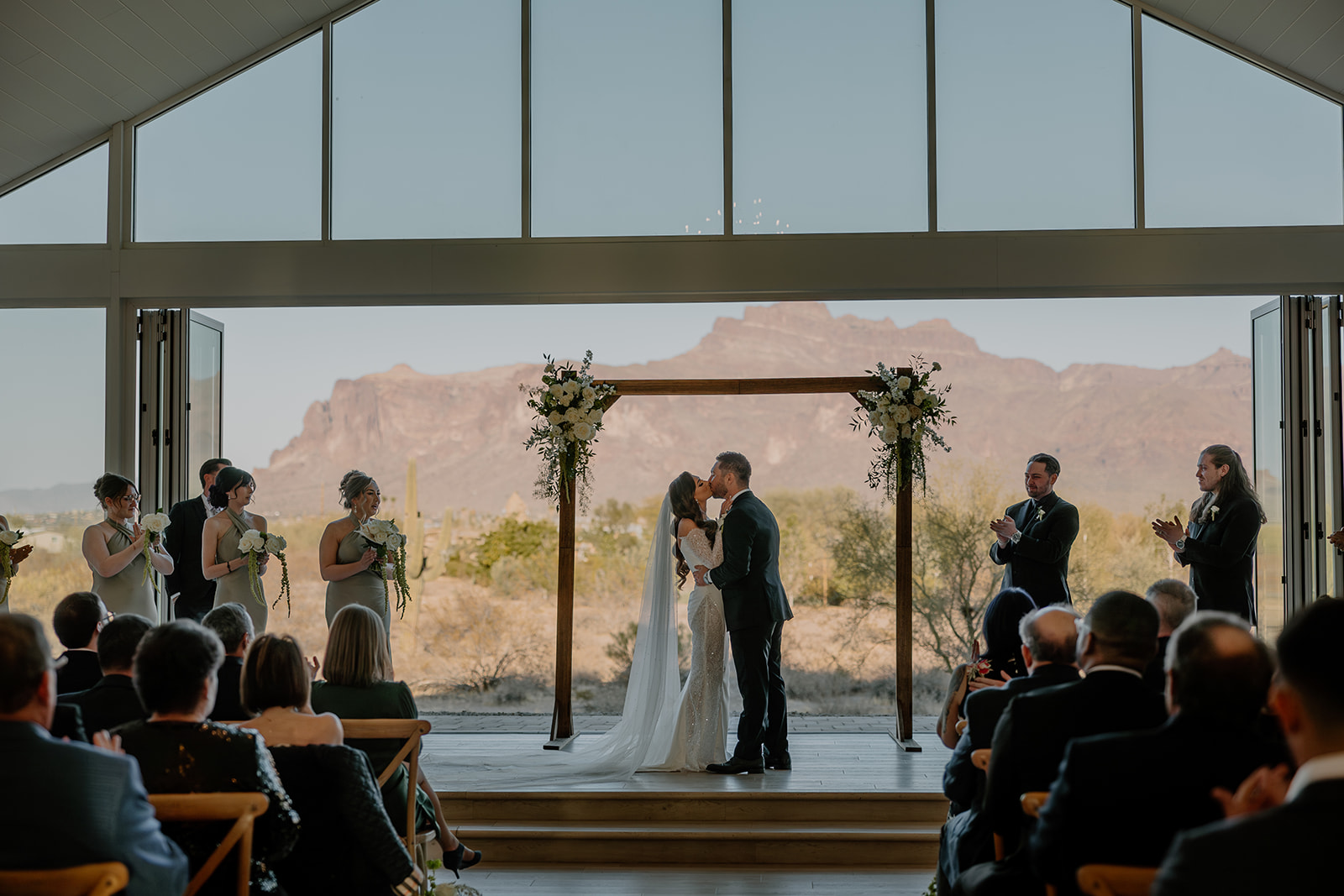
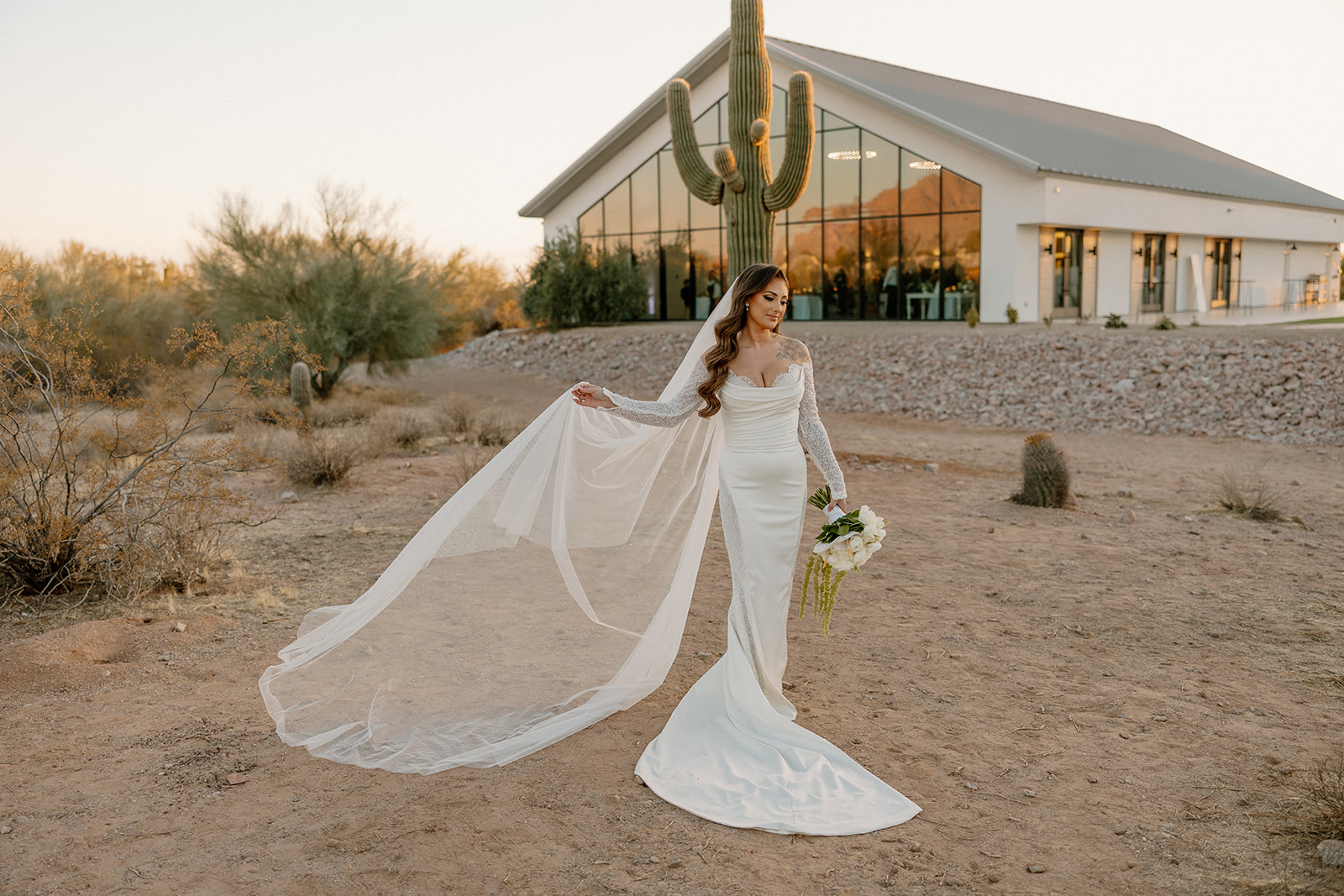
Some venues are beautiful despite the light. Desert View? It’s built to glow. This isn’t your average backyard setup or ballroom with blackout curtains; this is wide, open sky and sun-soaked views that are basically begging to be photographed.
Here’s what makes light hit different at a Desert View wedding venue:
The Orientation Was Made For This
The way this venue is laid out means you get prime light angles without forcing it. Your ceremony gets that soft backlight. Your portraits catch the sun just as it dips. Your reception flows right into blue hour without needing to shuffle a thing.
The Backdrop is Doing the Most
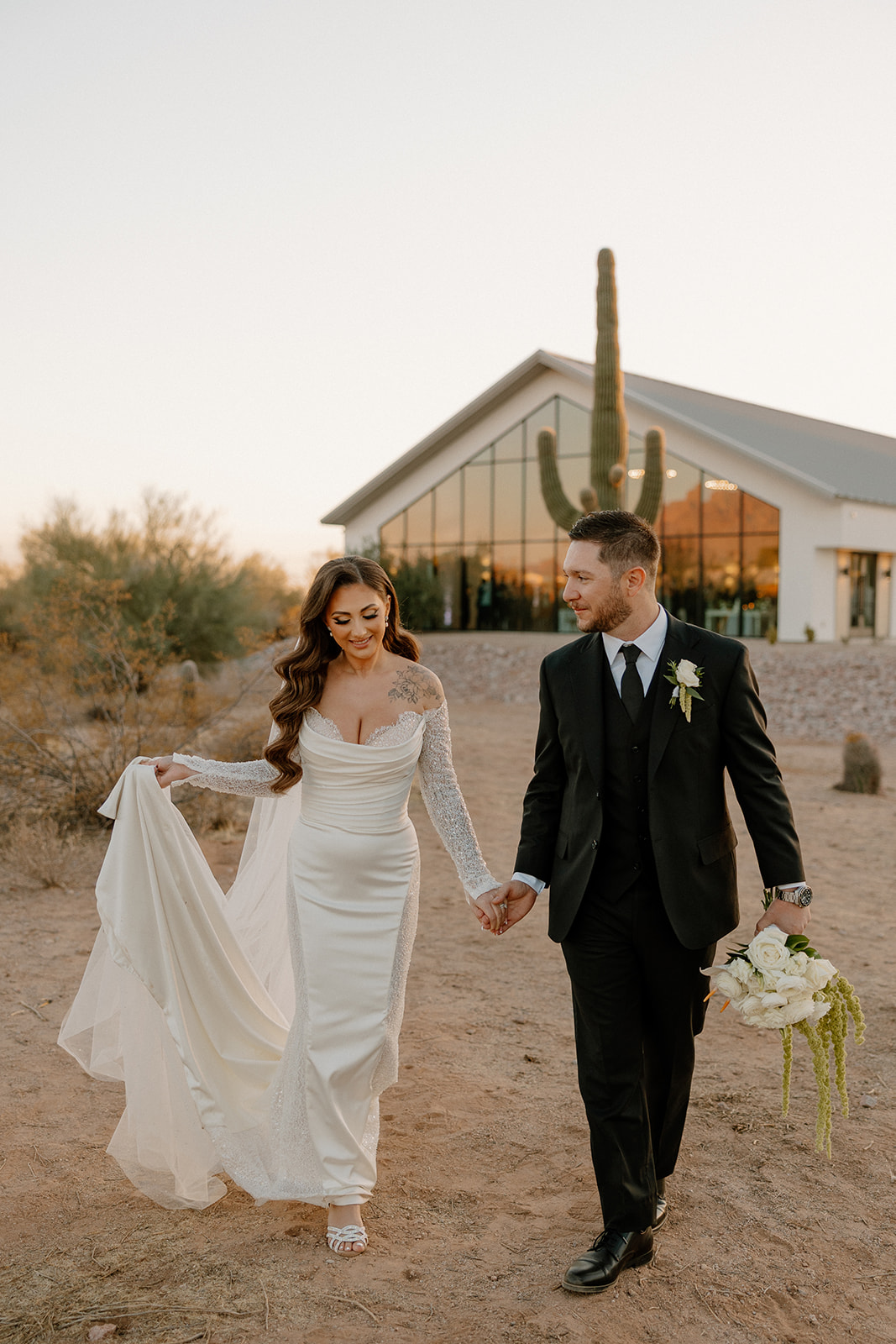
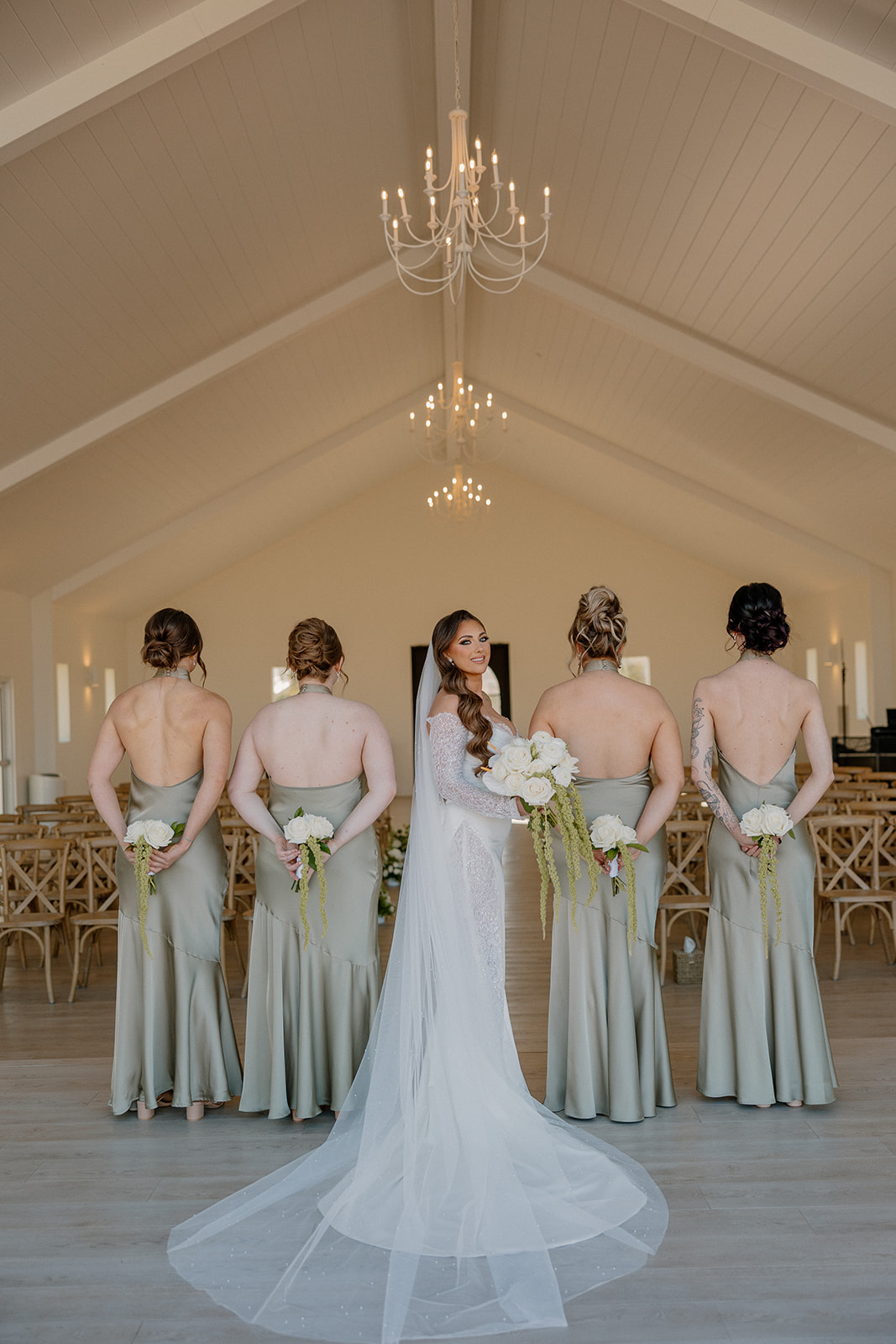
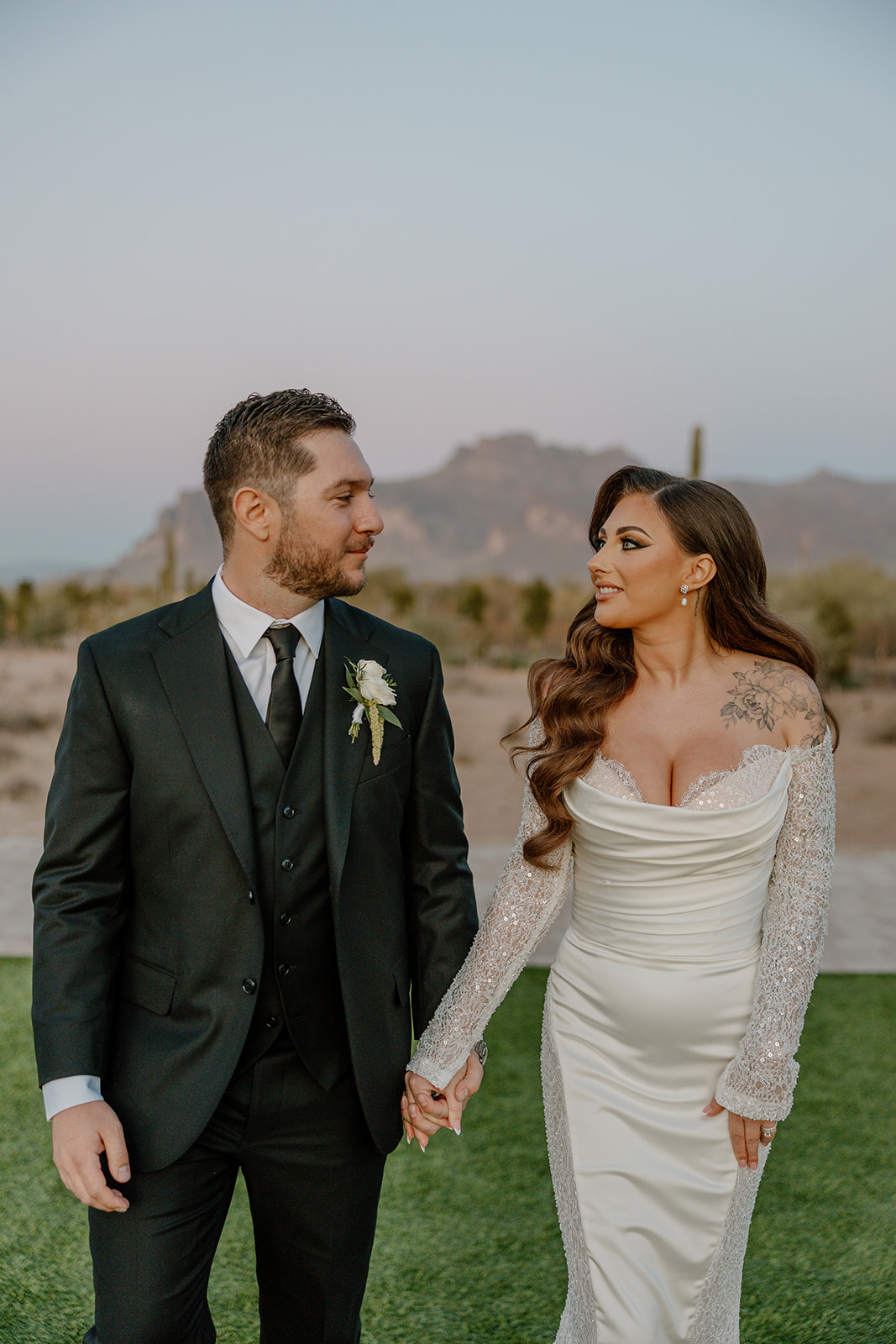
Rolling desert, golden tones, wild textures, and sky for days. The light doesn’t just hit, it paints the sky. No weird shadows, no distractions, no background chaos. Just clean lines and bold color that let your vision take center stage.
Nothing But Sky and Space
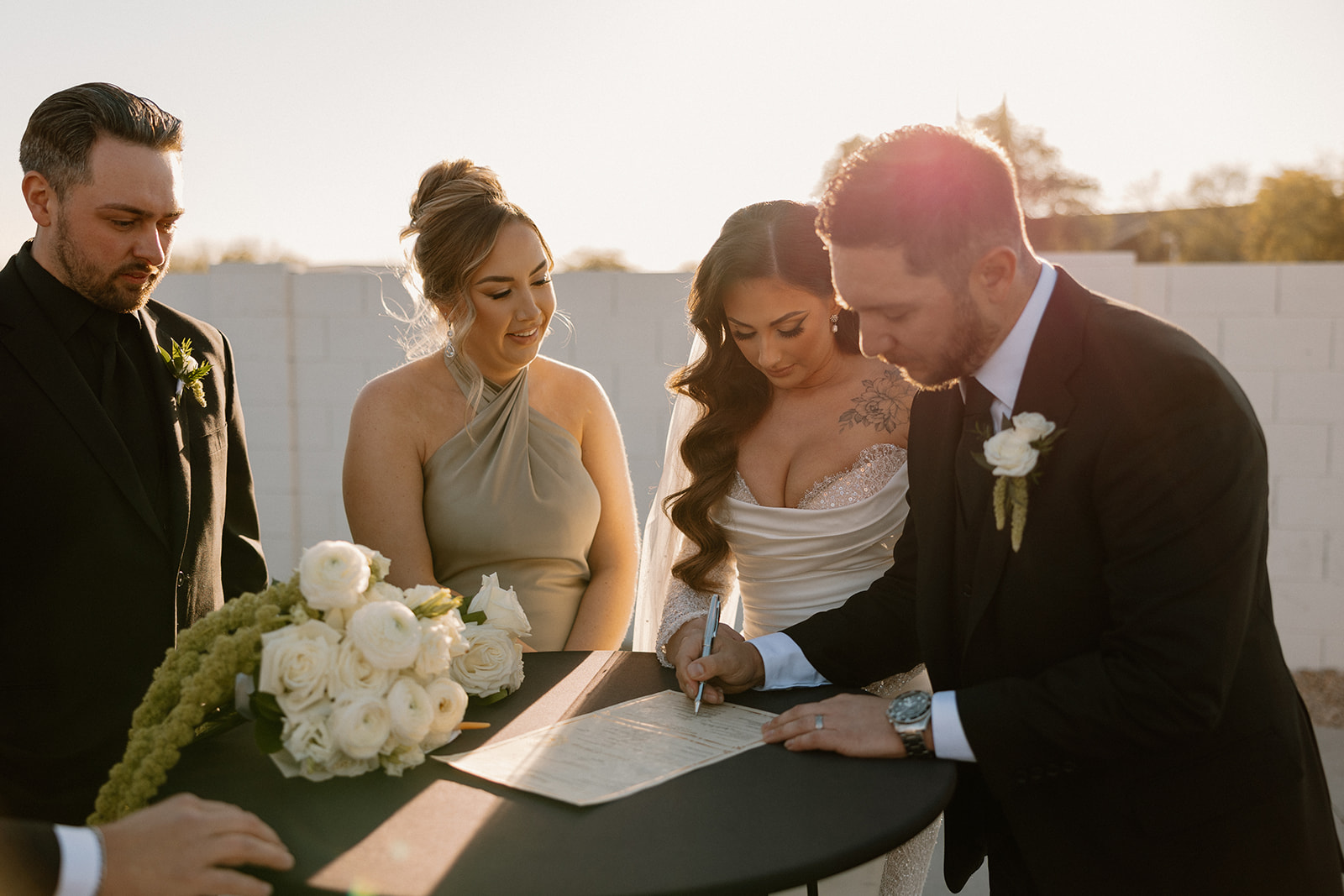
No tall buildings. No random trees blocking the sun. Just clean, wide-open desert that lets the light do its thing. We can move fast, follow the glow, and shoot from literally any angle without dodging shadows or weird distractions. And desert light? She doesn’t ease in. She shows up, does her thing, and dips quick, so we stay ready.
Light-Proofing Your Timeline (So You’re Not Guessing on Game Day)
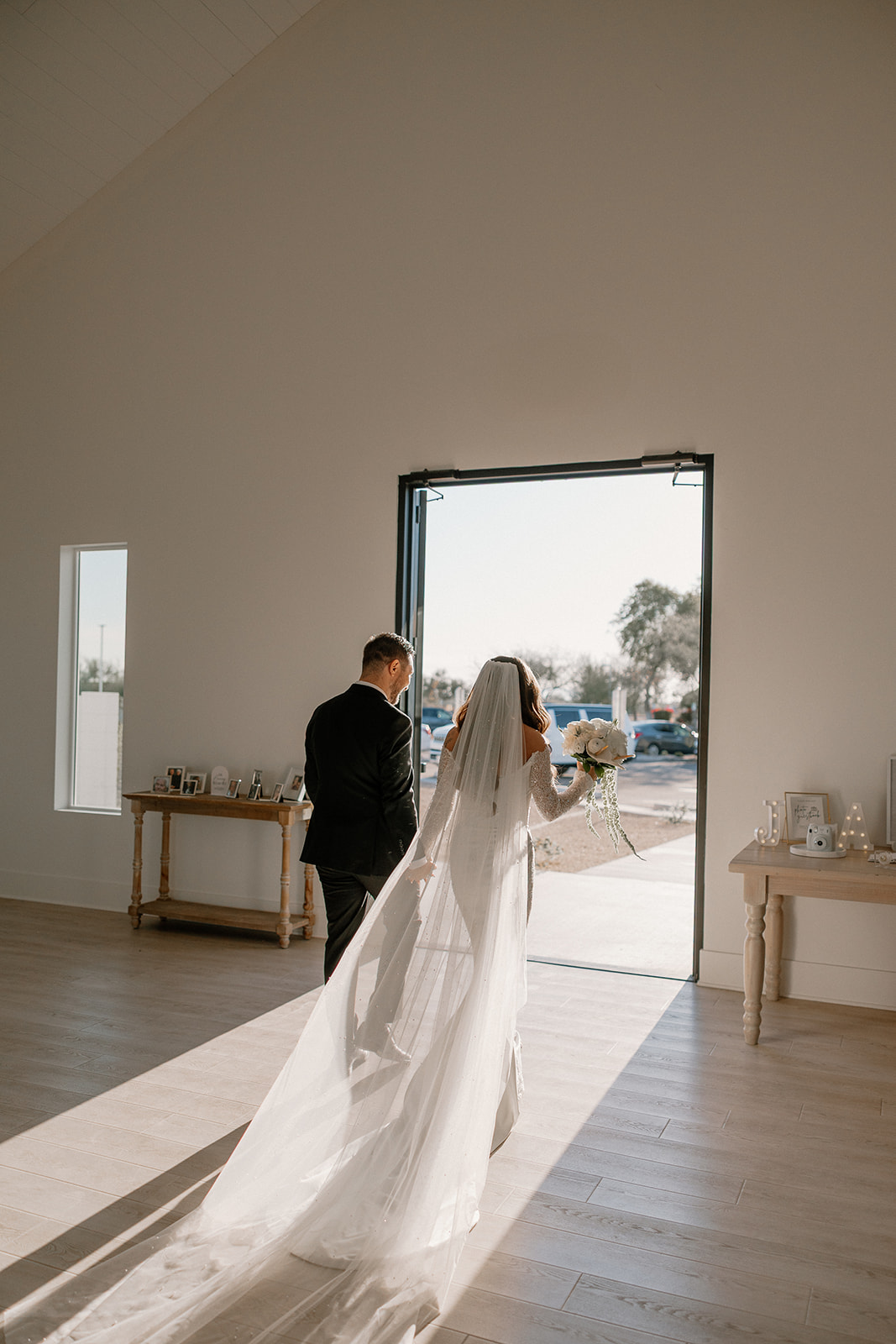
Even with the best plans, desert light has opinions. Here’s how we make sure your timeline holds up, even if things shift a little:
Check the sunset early, then again later – Look it up a few months out, but don’t set it and forget it. Sunset times can shift by several minutes, and in the desert, that’s enough to throw off your glow. Re-check about 2–3 weeks before the wedding and adjust if needed.
Build in micro-buffers – Not every moment needs a full 30-minute block, but sprinkling in 5–10 minute breathers between events? Game changer. It keeps things smooth, even if someone runs late or needs a snack break before portraits.
Be ready for clouds (rare, but real) – Even on cloudy days, the light can still be soft and gorgeous; it just hits differently. We adapt the plan, pivot the portrait spots, and still get those editorial, emotional shots. No stress.
Know what matters most – If golden hour portraits are your must-have, tell your planner, DJ, and vendors early. Everyone can adjust around that light window, but only if they know it’s non-negotiable.
Desert View Wedding Venue Timeline FAQ, Because the Sun Has Zero Chill
What time is golden hour at a Desert View wedding venue?
Depends on the date, but it’s usually the last hour before sunset. In the desert, it hits fast and fades faster, so we always build the timeline backward from the sunset time. We’ll look it up for your exact wedding day and plan accordingly. No guesswork.
Can we do a first look and still get golden-hour portraits?
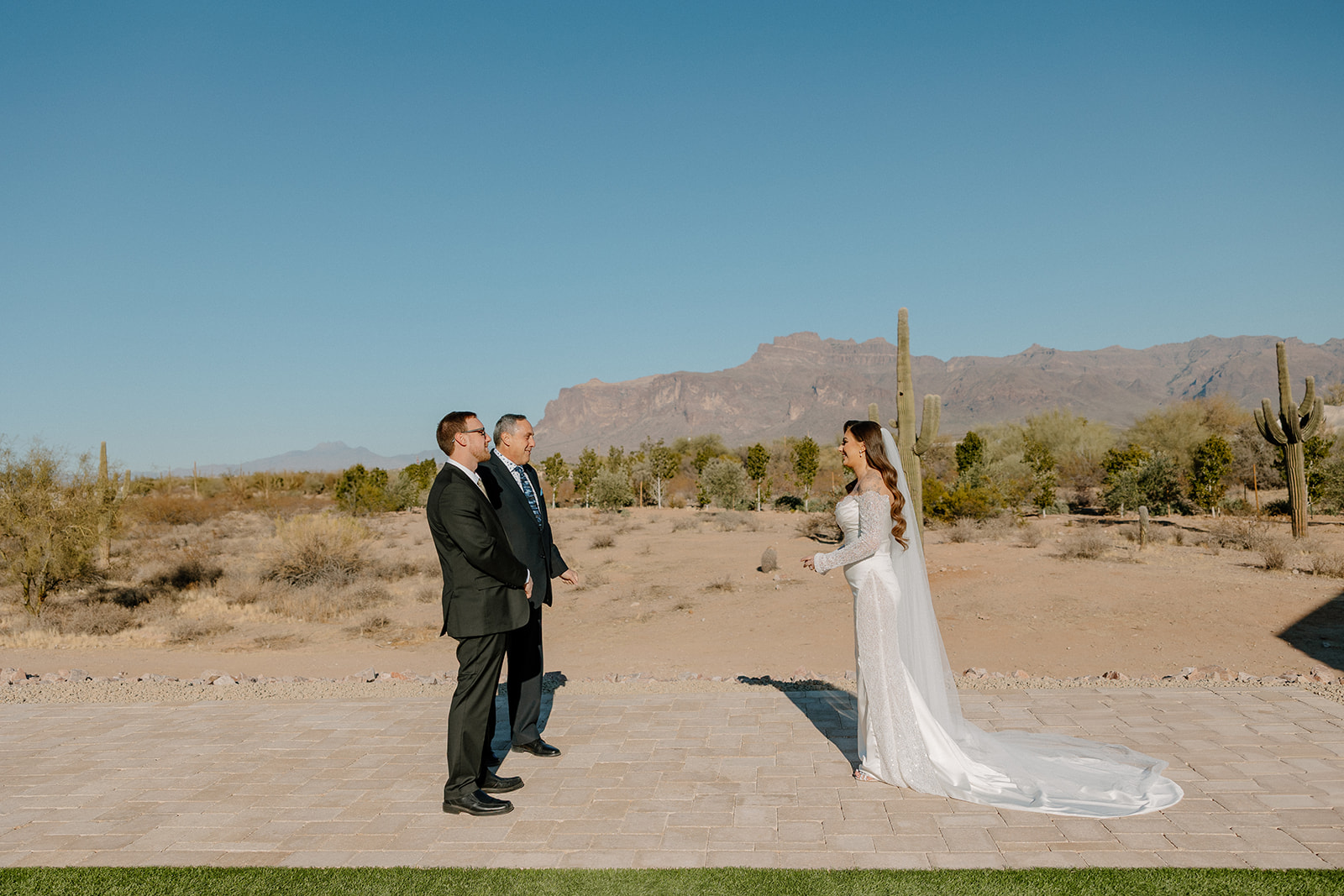
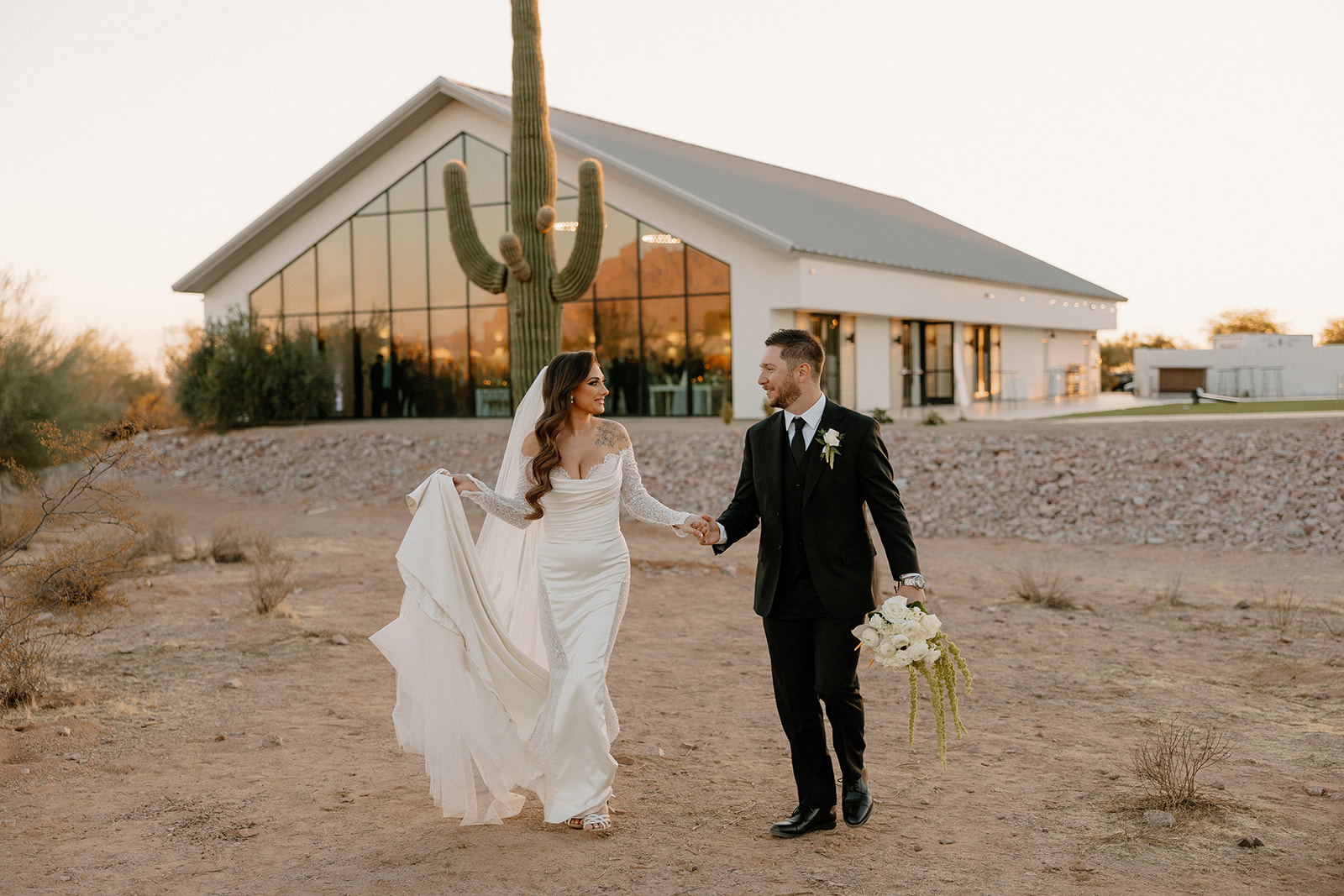
Absolutely. You just front-load the first look and bridal party photos earlier in the day, then protect that 30–45 minute window before sunset for the two of you. We’re big fans of both.
Is it okay to have our ceremony during golden hour?
Totally. Just make sure it starts early enough, so you’re not saying “I do” in the dark. Starting your ceremony about 60 minutes before sunset gives you that dreamy light and just enough time for portraits after.
What’s the best month for soft, glowy desert light?
Fall and spring are golden-hour goals: perfect temps, clean skies, and that soft, lingering light we all love. Summer still brings the glow, but you’ll be sweating for it.
What if it’s cloudy on the big day?
Cloudy desert days still hit. You get soft, even light with no harsh shadows, and still make you look like a total desert legend. Some of our favorite galleries happened under overcast skies.
How far in advance should we plan our timeline around the sun?
As soon as you pick a date, we can start mapping out the light. But final tweaks usually happen a few weeks out once we know the exact sunset time.
Can you help us build a timeline?
Hell yes! We’re not just showing up with cameras; we help you build your day so the photos and video feel effortless and look next-level. We’re your light-chasers and your timeline besties. It’s all part of the gig.
Book Us For Your Arizona Wedding Photography and Videography
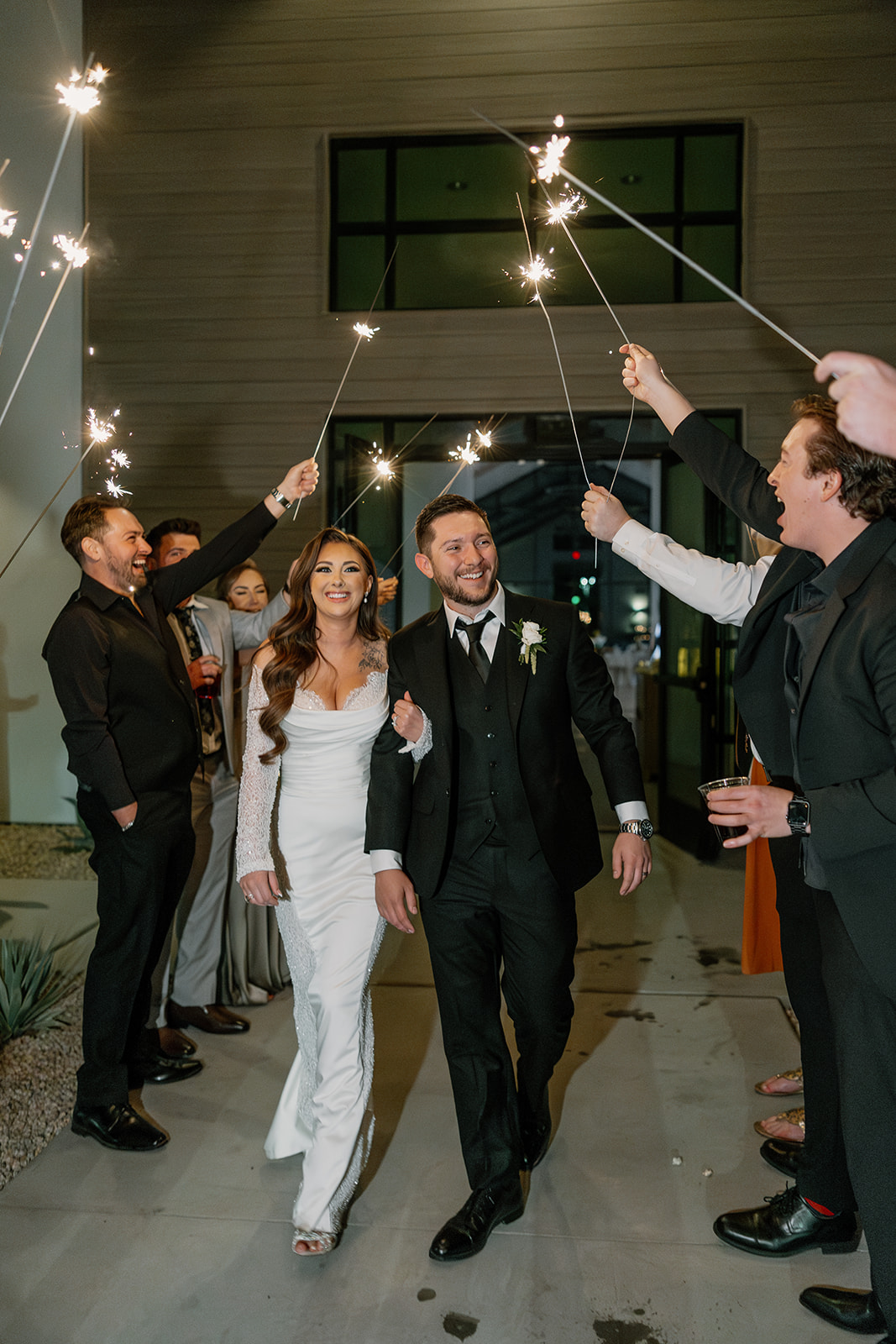
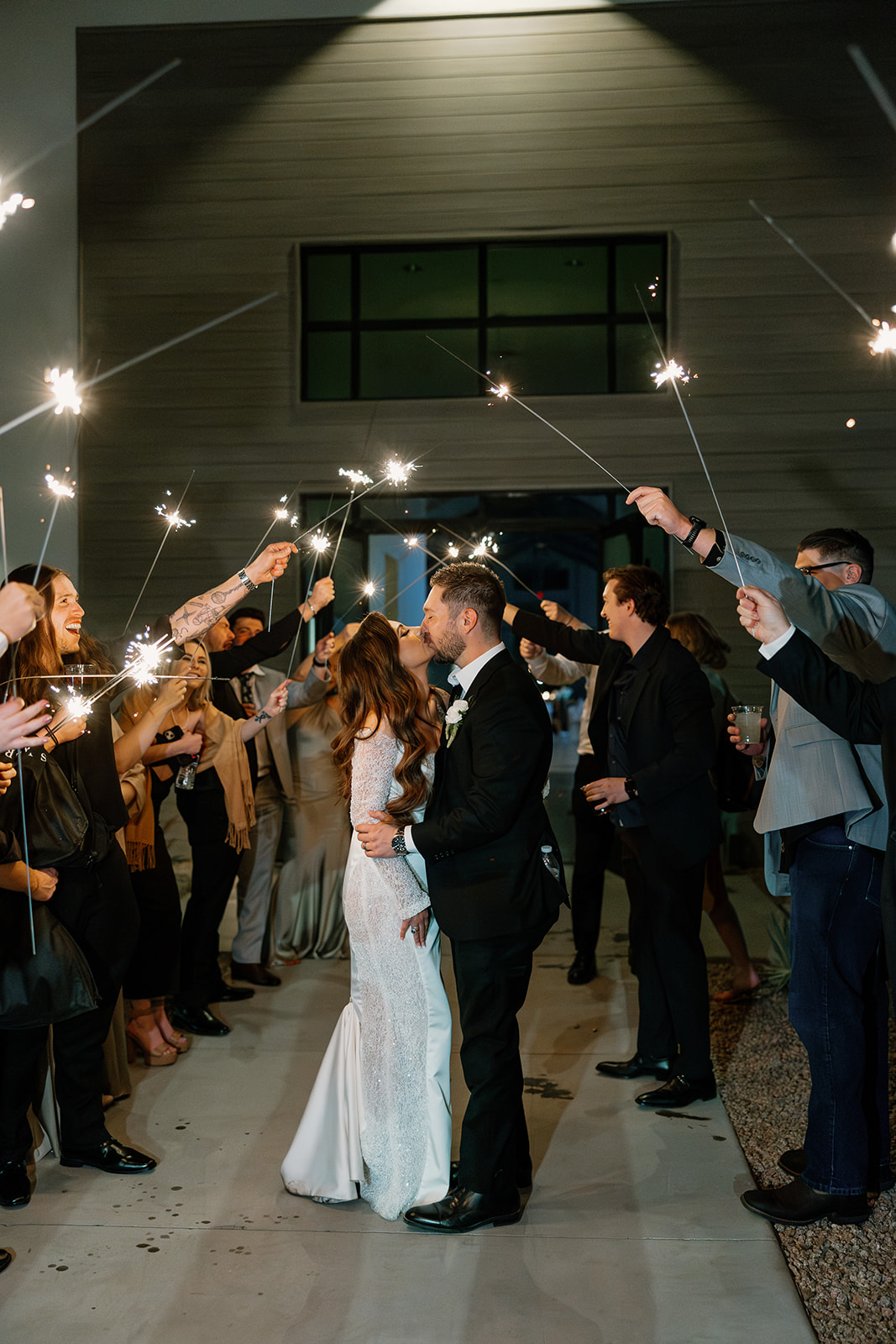
The sun may not care what time your planner printed on the program. But we do. We care about how the day feels while it’s happening, not just how it looks later. When you plan around the light, everything just flows: your photos, your video, your timeline, your vision. It’s less stress, more ease, and way more room for the stuff that actually matters.
And the best part? You don’t have to figure it all out on your own. We’re here for the timeline deep-dives, the lighting walk-throughs, and every “wait, is this too early?” question you throw our way! Let’s grab a spicy marg and plan your dream day together.
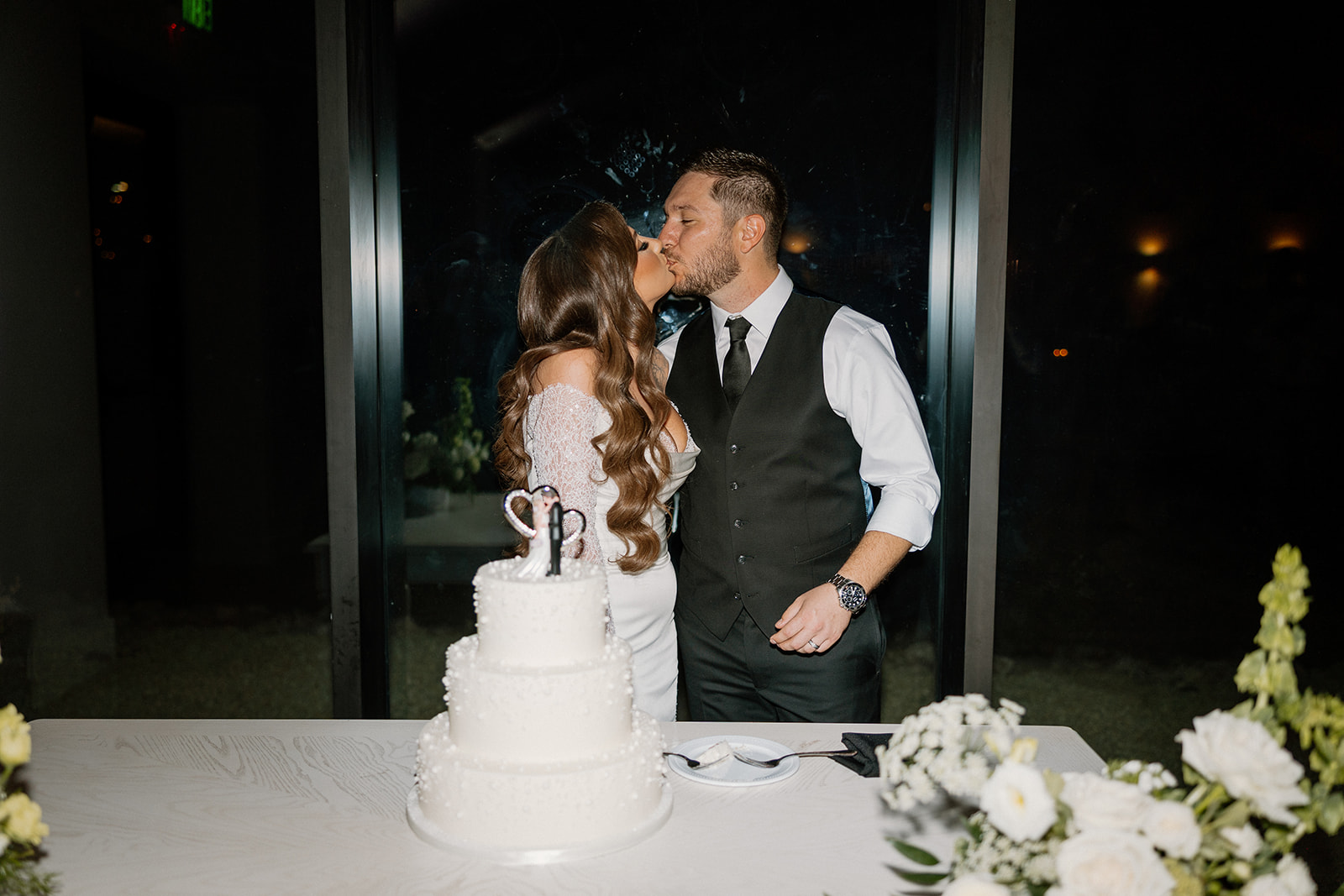
Looking for more Arizona wedding venues or tips for your big day? Keep scrolling!
Your Arizona Wedding Planning Guide for 2026
Desert View Weddings: What You Actually Need to Know Before You Get Married Here
The Paseo Arizona Wedding Guide for Couples Who Want More Than Pretty Pictures
